• Check for fresh water stains, damp spots, and attic moisture right after rain to find the leak source early.
• Use a simple checklist to inspect flashing, gutters, shingles, and roof edges before small leaks turn into bigger damage.
• Get expert help if the leak keeps coming back, since fast action can protect your home and limit repair costs.
Find the Source Before the Damage Spreads
The main goal of how to find a roof leak after rain is to spot the source early and stop more water from getting inside. A fast check can help protect your ceiling, walls, and attic from bigger repair costs.
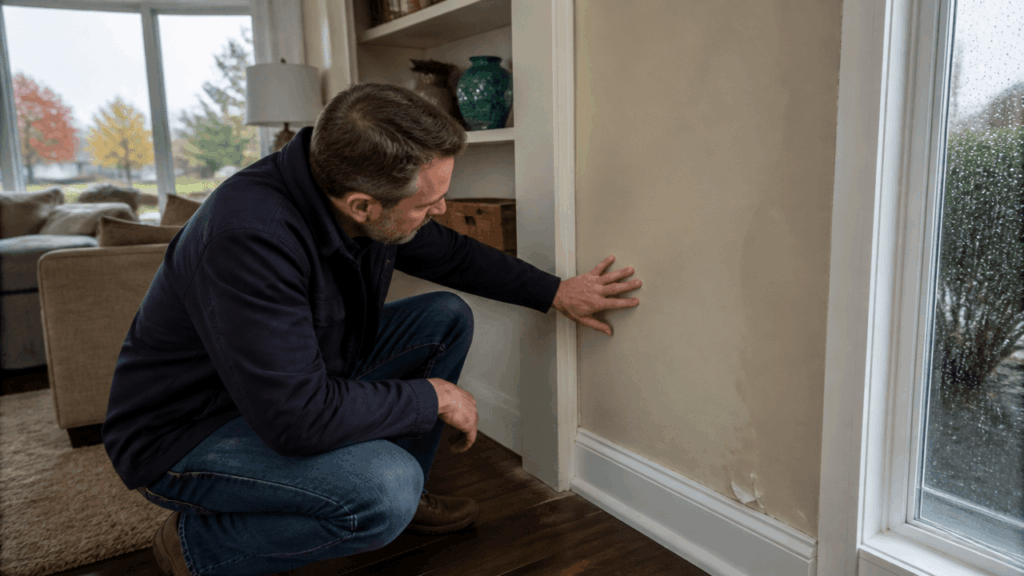
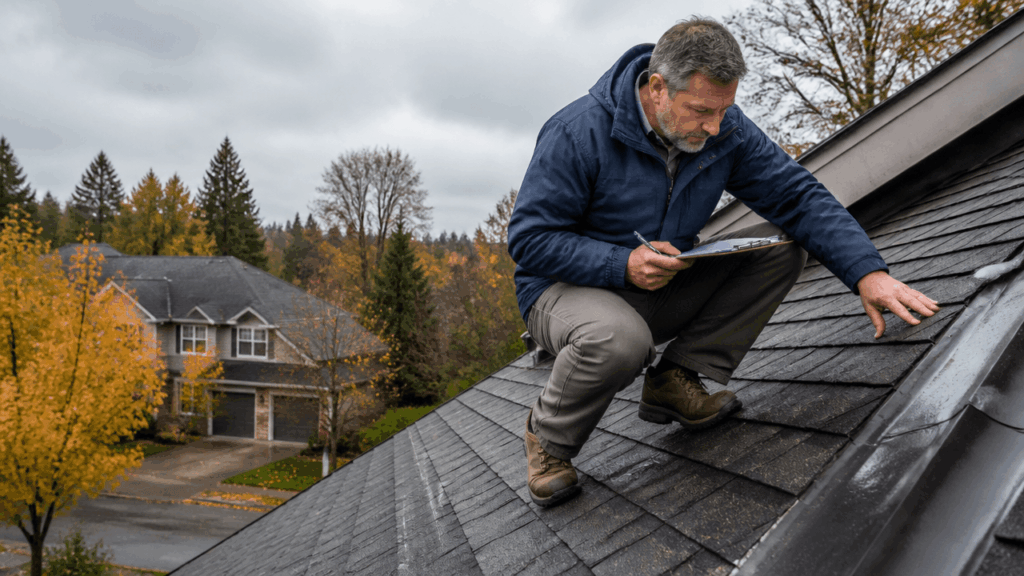
Start by looking for water stains, damp spots, and dripping areas in the rooms below the roof. If you need help checking the roof itself, our roof inspection service can give you a clearer idea of where the leak is coming from.
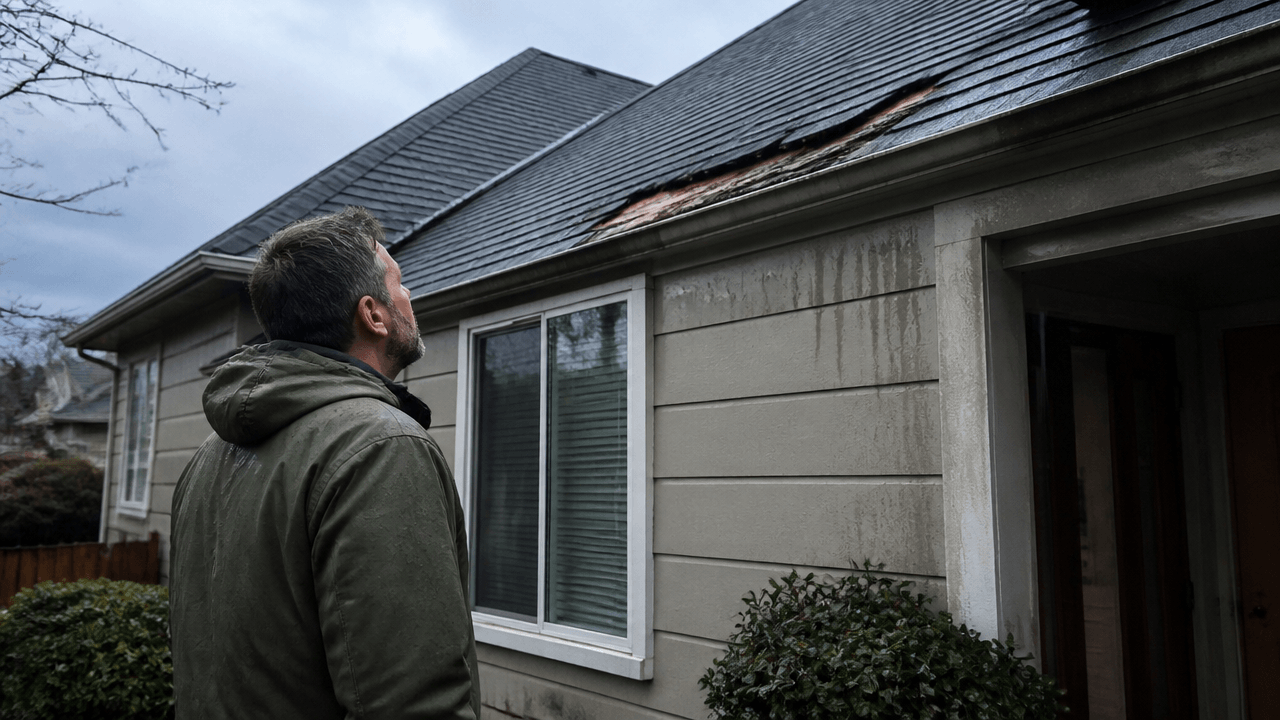
Pay close attention to areas near vents, flashing, chimneys, and gutters after a heavy rain. These are common places where small gaps can let water in and slowly spread damage through the home.
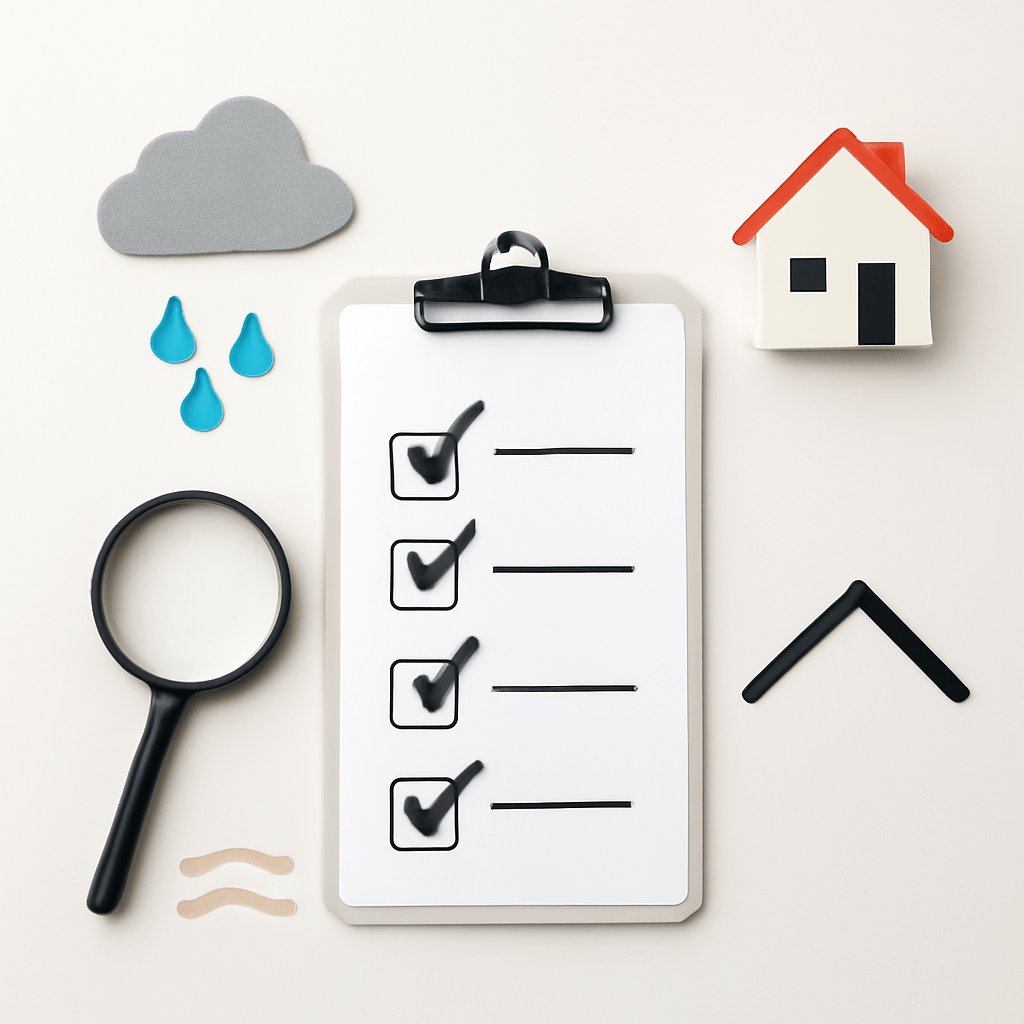
Roof Leak Checklist for Rainy Day Checks
Use this checklist to stay focused and catch signs of trouble fast after a storm. A careful walk-through can help you find the source before small moisture problems turn into bigger roof repairs.
- ✅ Look for water spots on ceilings in rooms below the roof
- ✅ Check the attic for damp wood, wet insulation, or musty smells
- ✅ Inspect flashing around vents, skylights, and chimneys
- ✅ Watch for dripping near walls after the rain stops
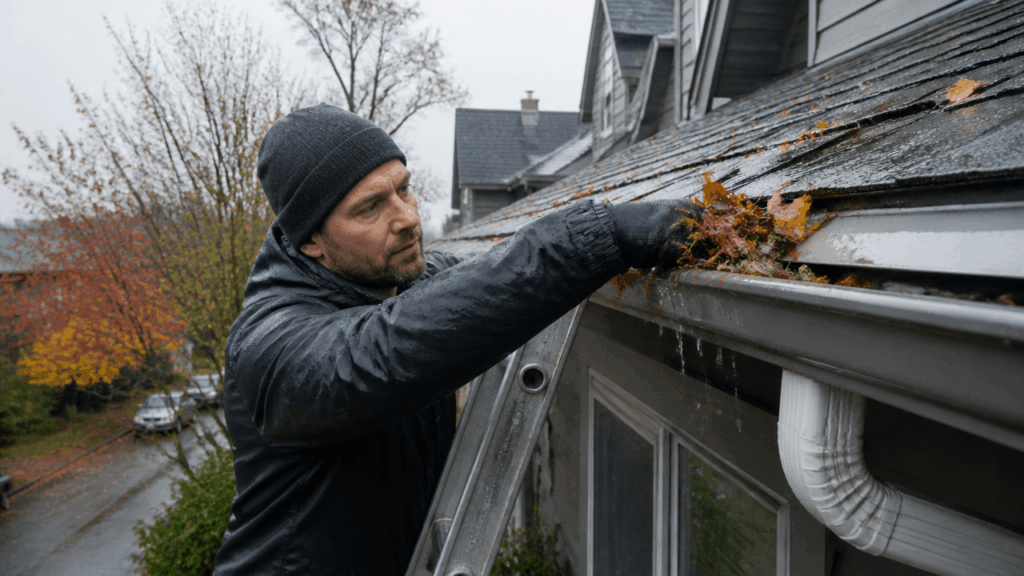
- ✅ Examine gutters and downspouts for clogs or overflow
- ✅ Take note of missing, cracked, or curled shingles
- ✅ Use a flashlight to check dark attic corners and roof edges
- ✅ Call for help if the leak keeps showing up in the same spot
These steps can make how to find a roof leak after rain much easier to manage, especially when the weather turns wet in Ballard. The key is to act quickly, stay observant, and keep an eye on the spots where water usually gets in first.
If you catch the issue early, you may be able to limit damage and avoid larger repairs later on. A steady check after each rain helps you stay ahead of leaks and protect your home year-round.
Additional Advice
One of the best habits is to inspect your home soon after the rain ends, while the signs are still fresh and easy to spot. Waiting too long can make it harder to tell where the water entered and how far it spread.
Try not to assume every stain means the leak is directly above it, since water can travel along wood and insulation before showing up inside. For a clearer look at the problem, a trained roofing inspection in Seattle can help narrow down the source.
It also helps to keep gutters clear and trim back branches that can push debris onto the roof. Small maintenance steps like these can reduce strain on the roof and lower the chance of new leaks after heavy rain.
If you keep seeing the same damp area, or if the roof is older and showing wear, it is smart to have a roofer take a closer look. That can save time, prevent missed damage, and give you a clearer plan for repair.
Frequently Asked Questions
What is the first thing to check after a roof leak in the rain?
Start by checking the ceiling, attic, and walls for fresh water stains or damp areas. Then look at roof features like flashing, vents, and gutters, since these are common entry points for water.
Can a roof leak stop after the rain ends?
Yes, a roof leak can seem to stop when the rain ends, but the damage may still be there. Water often hides in insulation, wood, or drywall, so the problem can keep growing even when the dripping stops.
How do I find a roof leak after rain in Ballard homes?
You can find a roof leak after rain by checking inside the attic first, then tracing stains and moisture back toward the roof. In Ballard, wet weather and wind can make leaks show up around flashing, shingles, and clogged gutters.
What are the most common signs of a roof leak?
The most common signs are water stains, peeling paint, musty smells, and wet insulation. You may also notice small drips, soft drywall, or dark spots on the ceiling after a storm.
When should I call a roofer for a leak?
You should call a roofer as soon as the leak keeps coming back, spreads quickly, or affects more than one area. Fast help is the safest move when you want to protect your home from bigger water damage.
Stay Ahead of Roof Leak Damage
Finding a leak early can make a big difference in how much damage your home faces after a storm. A careful check, a quick response, and the right follow-up can save you time, stress, and repair costs.
For homeowners in Ballard, staying alert during rainy weather is one of the best ways to protect the roof and the inside of the house. If you want more local roofing tips and updates, follow our Instagram page.