• Choosing the best siding for cold weather climates can help protect your home from moisture, wind, and heat loss during cold months. The right material, proper installation, and regular checks all work together to keep your exterior strong.
• Homeowners in Kent should look for siding that handles temperature swings, resists water damage, and supports good insulation. A smart siding choice can make a home more comfortable and help prevent problems before winter gets worse.
• This guide breaks down how to inspect your siding, compare material options, avoid common DIY mistakes, and make a better decision for long-term protection. It gives you a simple path to choosing siding that fits your home and the season.
Why Cold Weather Siding Matters
When temperatures drop in Kent, the wrong siding can leave a home working harder than it should. Cold weather brings wind, moisture, and repeated temperature swings that can wear down weak materials fast. If your siding is already showing cracks, warping, or loose panels, it is time to act before the next cold stretch gets worse.
Choosing the best siding for cold weather climates is not just about looks. It is about helping your home stay dry, steady, and more comfortable through long stretches of chilly weather. We often see how small siding problems turn into bigger issues once rain and cold air start pushing in from the outside.
That is why we encourage homeowners to pay attention before damage spreads. For help with materials and exterior protection, our siding services can give your home the support it needs when the weather turns rough. The sooner you make the right choice, the better your home can handle the season ahead.
What Makes Siding Work in Cold Weather
The best siding for cold weather climates should do three things well: resist moisture, hold up in low temperatures, and help keep indoor heat from escaping. Some siding types handle these jobs better than others, especially when they are installed with care and matched to the local weather. In a place like Kent, that matters because cold, damp conditions can test a home from the outside in.
Material choice is only part of the job. Proper installation, good sealing, and correct underlayment all play a big role in how siding performs over time. If those details are missed, even a strong siding product can fail faster than expected.
We also recommend looking at the full exterior system, not just the siding itself. When the rest of the home exterior works together, the siding has a better chance of doing its job well. That is why many homeowners start with a full exterior review before deciding on materials and repairs.
Step-by-Step Guide to Choosing the Right Siding
📝 Step 1: Check the current condition
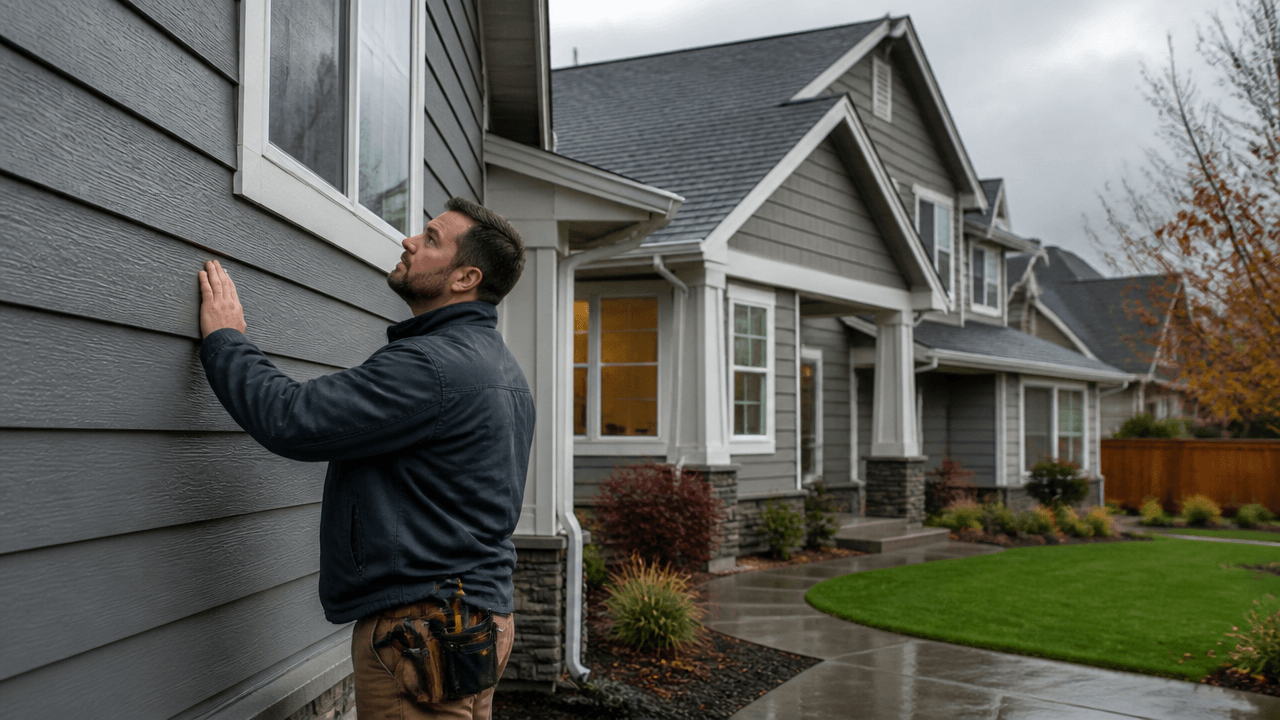
Look closely for cracks, loose boards, soft spots, or signs of moisture damage. These warning signs can tell you whether you need a repair, replacement, or a full siding update. A careful check now can help you avoid bigger trouble during the colder months.
🌧️ Step 2: Match the siding to the weather
Pick materials that stand up well to moisture, cold air, and temperature changes. The best siding for cold weather climates should help protect the home from wind and water while staying strong through seasonal shifts. This matters even more in areas that see long periods of rain and cold.
🧱 Step 3: Compare siding materials
Review common options like fiber cement, vinyl, and engineered wood to see how each one performs in cold weather. Each material has strengths, but the best choice depends on your home, budget, and the level of protection you want. A siding option that works well in mild weather may not hold up as well in a colder setting.
📏 Step 4: Check insulation needs
Make sure the siding system can support good insulation and help reduce heat loss. Cold weather homes need more than a strong outer layer, since insulation plays a major role in comfort and energy use. A weak setup can let cold air move in and warm air escape.
🔨 Step 5: Review installation details
Look for proper flashing, sealing, and spacing during installation. Even the best material can fail if it is put on the wrong way or without the right weather protection. Careful installation helps the siding stay secure and perform better through winter weather.
🧰 Step 6: Plan for maintenance
Set a routine to inspect the siding each season for damage, gaps, or water issues. Regular checks help you catch small problems before they become expensive repairs. This simple habit can make siding last longer and work better in cold weather.
🏠 Step 7: Think about the whole exterior
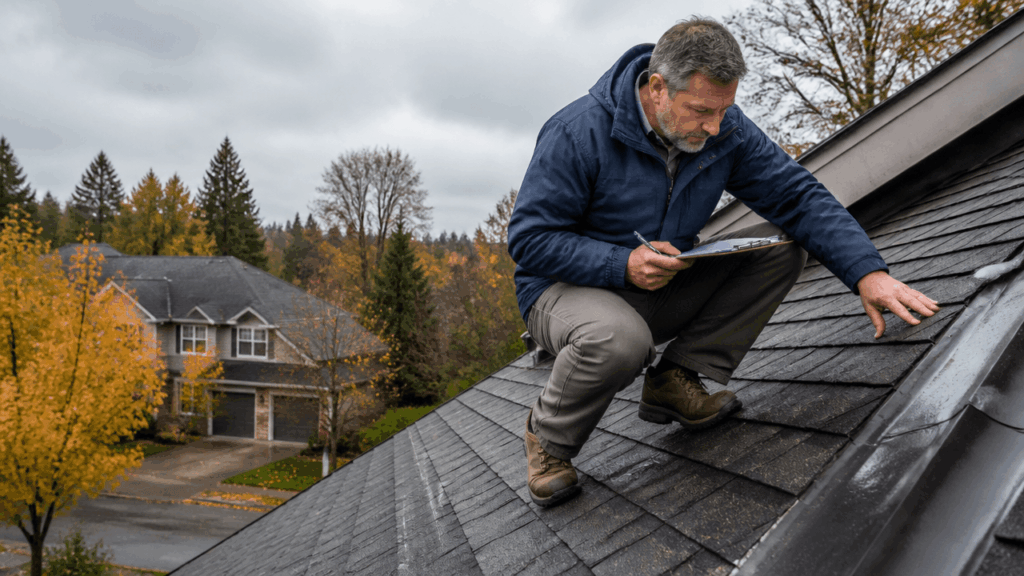
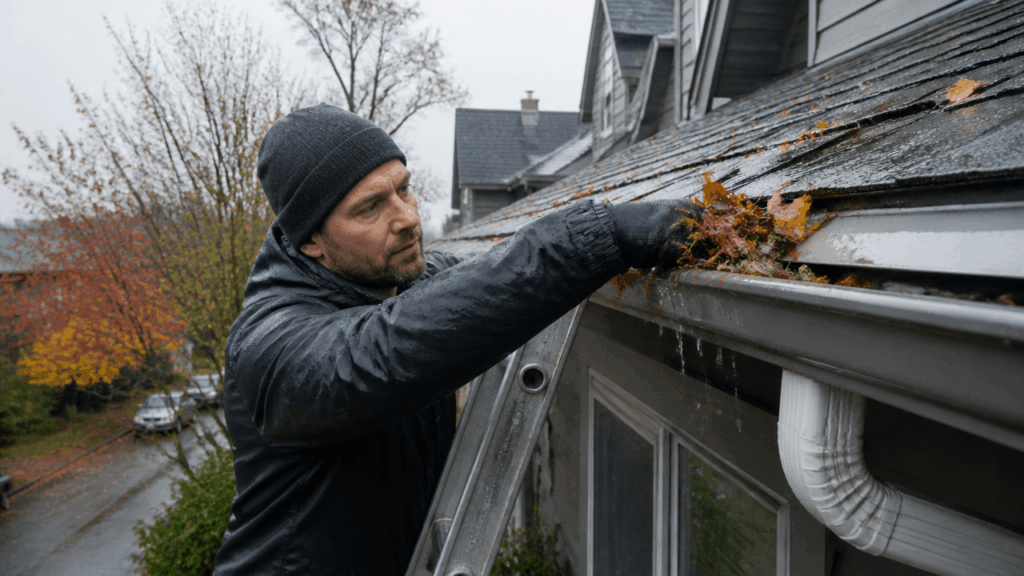
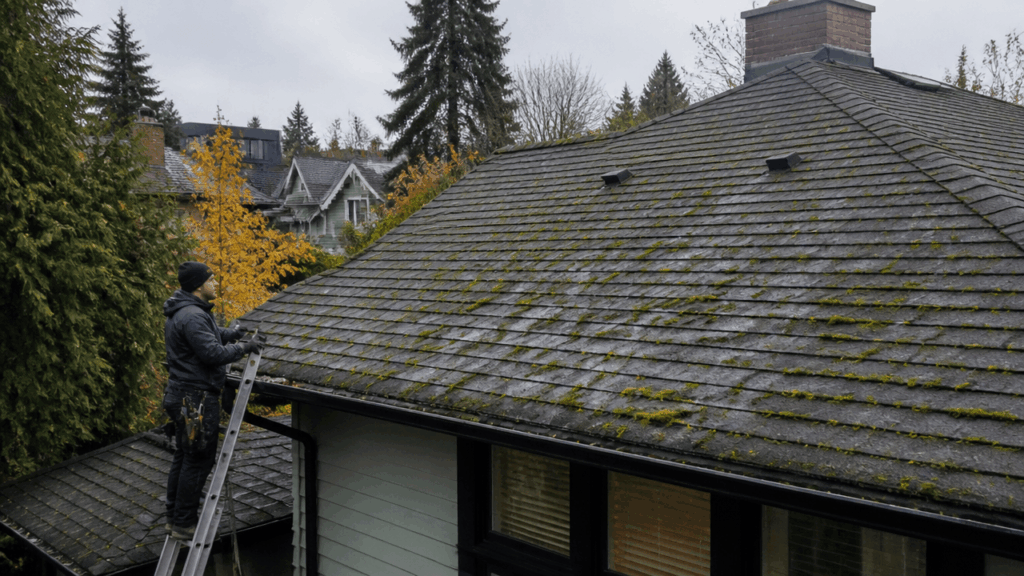
Check gutters, trim, and nearby roof areas so water is moved away from the siding. When drainage is poor, siding can take on extra moisture and wear down faster. A well-balanced exterior system gives the home better long-term protection.
📅 Step 8: Make the choice before winter gets harsher
Do not wait until the coldest stretch of the season to act. Once temperatures drop further, small siding issues can become harder to fix and more stressful to manage. Planning early gives you more time to choose the right material and get the work done safely.
Common Mistakes to Avoid
A lot of DIY siding problems start with good intentions but poor timing or weak planning. Homeowners often want to save money or move fast, but cold weather siding needs careful choices to work the right way. The mistakes below are some of the most common ones we see when people try to handle the job on their own.
- ⚠️ Mistake 1: Choosing style over performance
Some people pick siding because it looks good, even if it is not right for cold weather. This happens when the focus stays on color or curb appeal instead of moisture resistance and insulation support. To prevent this, always compare how each material handles cold, wind, and water before making a final decision. - ❌ Mistake 2: Ignoring early damage signs
Cracks, gaps, and soft spots are often missed until they get worse. This usually happens because the damage seems small at first, so it gets pushed off for later. The best way to avoid this is to inspect the siding early and deal with problem areas right away. - 🚫 Mistake 3: Skipping proper sealing
Some DIY projects leave openings around joints, trim, or edges. This happens when sealing is rushed or seen as a small detail, even though it helps keep out moisture and cold air. Careful sealing helps the siding last longer and perform better in rough weather. - ⚠️ Mistake 4: Forgetting insulation support
A siding upgrade can still fail if the wall system underneath is weak. This mistake often happens when people focus only on the outside layer and overlook heat loss and comfort. To prevent it, make sure the siding choice works with the insulation already in place. - ❌ Mistake 5: Waiting too long to start
Many homeowners wait until winter is already here before taking action. That delay often happens because the problem seems manageable during warmer days. The safer approach is to plan early, so the work can be done before the weather becomes even harder on the home.
Frequently Asked Questions
What is the best siding for cold weather climates?
Yes, the best siding for cold weather climates is usually one that resists moisture, holds up in freezing temperatures, and works well with insulation. Fiber cement and well-installed vinyl are common choices because they can perform well in harsh weather. The right option depends on your home, budget, and how much maintenance you want to handle.
Why does siding matter more in cold weather?
Yes, siding matters more in cold weather because it helps protect the home from wind, rain, and heat loss. When siding is damaged or poorly installed, cold air and moisture can get in more easily. That can lead to higher comfort problems and more wear on the exterior.
How do I know if my siding needs replacement?
Yes, siding may need replacement if you see cracks, warping, loose panels, soft spots, or signs of water damage. These issues often mean the material is no longer protecting the home the way it should. A close inspection can help you decide whether repair or replacement is the better move.
Can new siding help with energy use in winter?
Yes, new siding can help with energy use in winter when it is paired with proper insulation and correct installation. It adds another layer of protection that can help reduce drafts and heat loss. The result is often a more comfortable home during cold months.
How often should siding be checked in a cold climate?
Yes, siding should be checked at least once each season in a cold climate. Regular checks help catch small problems before rain, wind, and freezing weather make them worse. A simple routine can save time and stress later on.
Final Thoughts on Cold Weather Siding
Choosing the right siding is one of the smartest ways to protect a home through colder months. When the material, insulation, and installation all work together, the home has a better chance of staying dry and comfortable. That is why careful planning matters so much when deciding on the best siding for cold weather climates.
If you are thinking about updating your exterior, now is a good time to make a plan before the weather gets tougher. We are here to help homeowners in Kent protect what matters most with siding choices that fit the season and the home. To keep up with our latest work, follow us on social media.