• Storm damage on a roof can be easy to miss after heavy wind or rain, but early signs like missing shingles, lifted edges, and water spots can help you act fast before small issues turn into bigger repairs.
• Homeowners in Kirkland should pay close attention after fall storms, since wet weather, debris, and wind can hide roof problems that may not show up until leaks or indoor damage appear.
• Knowing how to spot storm damage on a roof gives you a simple way to protect your home, catch warning signs early, and decide when it is time to schedule a roof inspection.
Why Storm Damage Needs Fast Attention
When a storm rolls through Kirkland, roof damage is not always easy to spot right away. Small problems can turn into leaks, missing shingles, or hidden weak spots before the next round of bad weather arrives. That is why knowing how to spot storm damage on a roof matters so much for local homeowners. A quick look now can save a bigger repair later.
Fall weather in our area often brings wind, rain, and falling debris that can leave behind signs you may miss from the ground. Some damage shows up as lifted shingles, while other issues stay tucked under the surface until water gets inside. If you wait too long, the problem can spread beyond the roof and affect ceilings, walls, and insulation. That is why we always tell homeowners to act as soon as they notice something unusual.
At The Seattle Roofing Company, we know how fast roof trouble can grow after a storm. A careful check of the roof, attic, and gutters can reveal clues that are easy to overlook at first. If you are unsure where to begin, our roof inspection services can help you catch issues before they get worse. The earlier you respond, the better chance you have of protecting your home.
What We Look For After a Storm
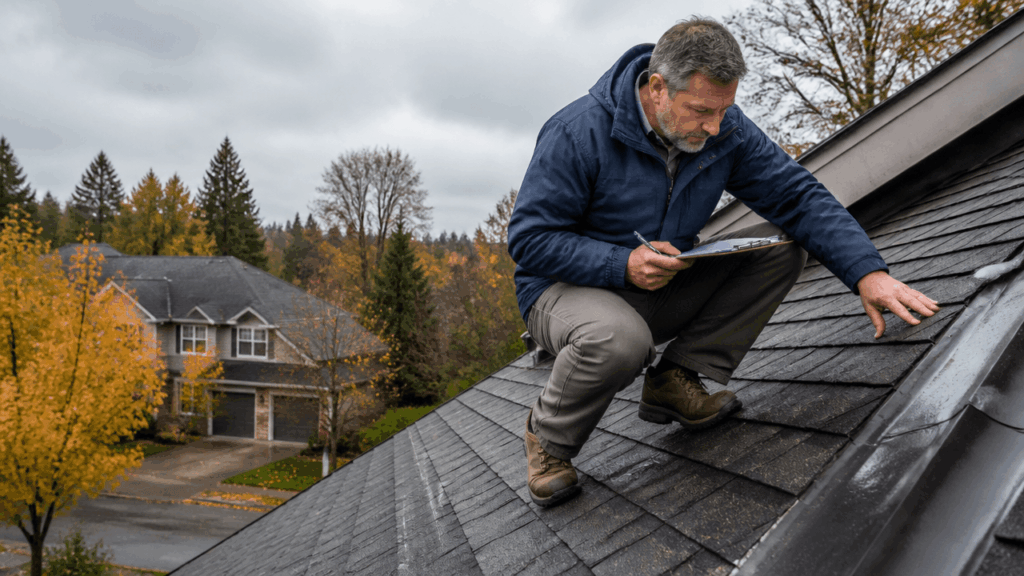
Storm damage can show up in several ways, and not all of them are obvious from the street. We often look for missing shingles, bent flashing, dented metal parts, and debris buildup in low spots. Dark patches, curling edges, or granules in the gutters can also point to roof wear after rough weather. These signs often mean the roof has taken more impact than it can handle.
Knowing how to spot storm damage on a roof starts with checking the outside and then moving inside your home. We recommend looking in the attic for damp spots, daylight coming through boards, or a musty smell that may point to hidden leaks. Even a small opening can let in water over time, especially during the wet fall season in Kirkland. A roof may still look mostly fine while damage is already working behind the scenes.
If you see anything that looks off, it helps to note it right away and get a closer look before the next storm. Paying attention to the roof after strong wind or heavy rain can make a big difference in repair costs and peace of mind. We often remind homeowners that fast action is one of the best ways to limit further damage. Staying alert now can help keep a small issue from becoming a major one.
Tips from the Pros
🔍 Tip 1: Check for Missing or Lifted Shingles
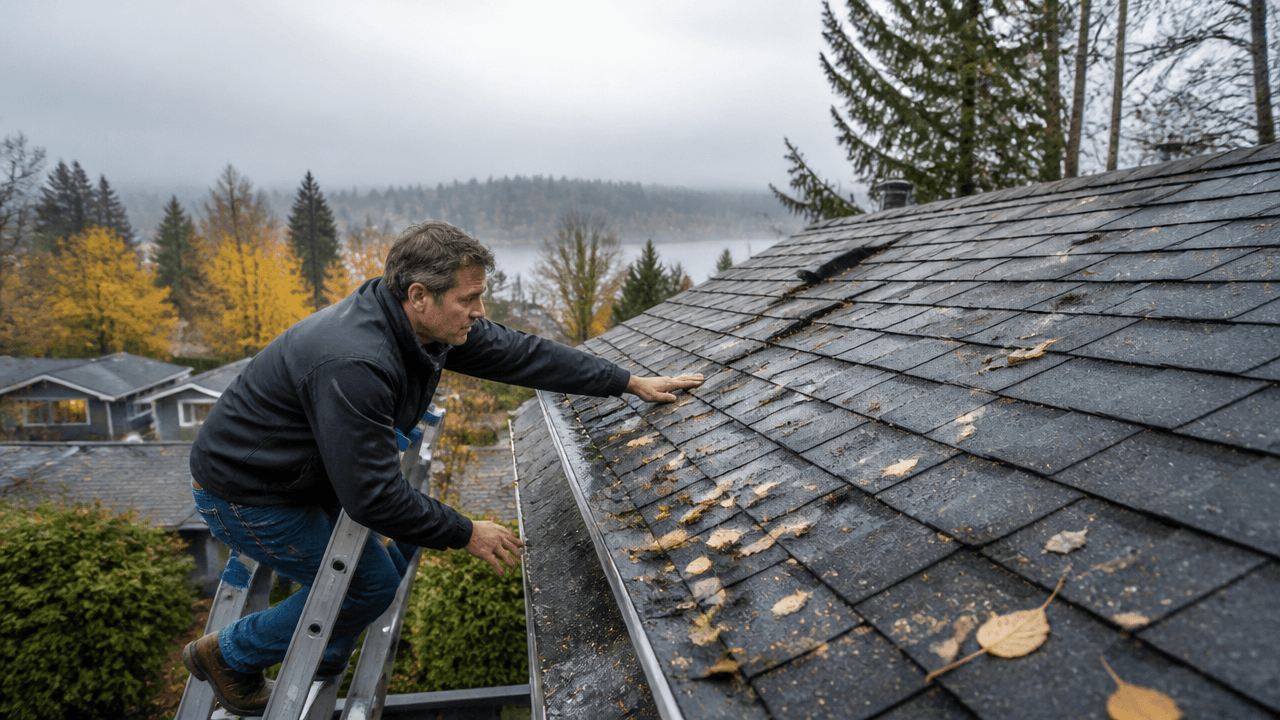
Missing shingles are one of the clearest signs that a storm has damaged the roof. Lifted shingles can be just as serious because they let wind and water work underneath the surface.
🌧️ Tip 2: Look for Water Spots Inside the Home
Water stains on ceilings or walls can point to a roof leak after a storm. These marks often appear days after the weather clears, so do not ignore them.
🪟 Tip 3: Inspect Flashing Around Roof Openings
Flashing around chimneys, vents, and skylights can bend or loosen in strong wind. If this metal piece shifts, water can slip into places it should never reach.
🌪️ Tip 4: Watch for Debris Damage
Branches, cones, and other storm debris can scratch, dent, or crack roofing materials. Even if the roof still looks intact, impact marks can weaken it over time.
🧱 Tip 5: Check Gutters for Shingle Granules
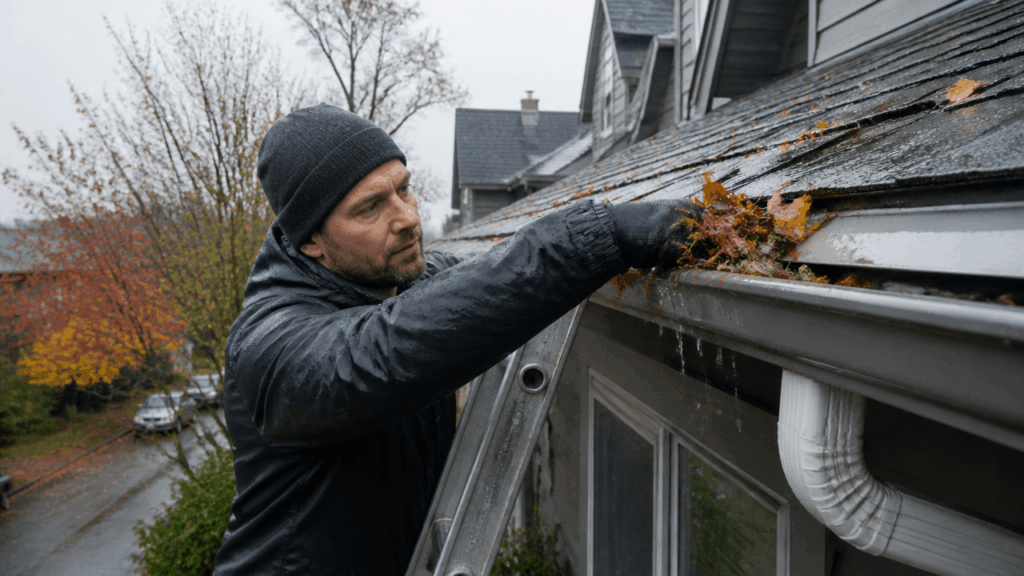
A buildup of granules in the gutters can mean the roof surface has taken a hit. When shingles lose too many granules, they become less able to handle rain and sun.
🔦 Tip 6: Inspect the Attic for Hidden Leaks
The attic is often the first place where hidden roof damage shows up. Look for damp insulation, stained wood, or a wet smell after a storm.
🪜 Tip 7: Compare the Roof Line from the Ground
A roof line that looks uneven may signal damage under the surface. Sagging spots can mean moisture has gotten in and started to weaken the structure.
📋 Tip 8: Act Quickly After Wind or Heavy Rain
Storm damage can worsen fast if it is left alone. Taking a close look soon after rough weather gives you a better chance to catch problems before they spread.
Frequently Asked Questions
How do I know if my roof has storm damage?
Yes, you can often tell by looking for missing shingles, lifted edges, dents, or debris on the roof. Inside the home, water stains or damp spots can also point to damage after a storm.
Can storm damage on a roof be hard to see?
Yes, storm damage can be hidden and still cause problems. Some of the most serious issues start under the surface and only show up later as leaks or interior stains.
Should I check my roof after every storm?
Yes, it is smart to check your roof after strong wind, heavy rain, or hail. A quick look can help you catch small problems before they grow.
What are the most common signs of roof storm damage?
The most common signs include missing shingles, dented flashing, granules in gutters, and water stains indoors. These are strong clues that the roof may need attention.
Why is it important to know how to spot storm damage on a roof?
Yes, knowing how to spot storm damage on a roof helps you act before the problem gets worse. Early attention can reduce the chance of leaks, interior damage, and more costly repairs later.
Protecting Your Roof After Fall Storms
Storm season can leave behind damage that is easy to miss until the next rainy day puts it to the test. We believe every homeowner should know what to look for so they can protect their roof, their home, and their peace of mind. If something seems off, a fast response is always the safer choice.
In Kirkland, fall weather can change quickly, so staying alert after each storm is a smart habit. A roof check now can help you avoid larger issues when wet weather keeps coming back. For more updates and roofing insights, follow us on social media.