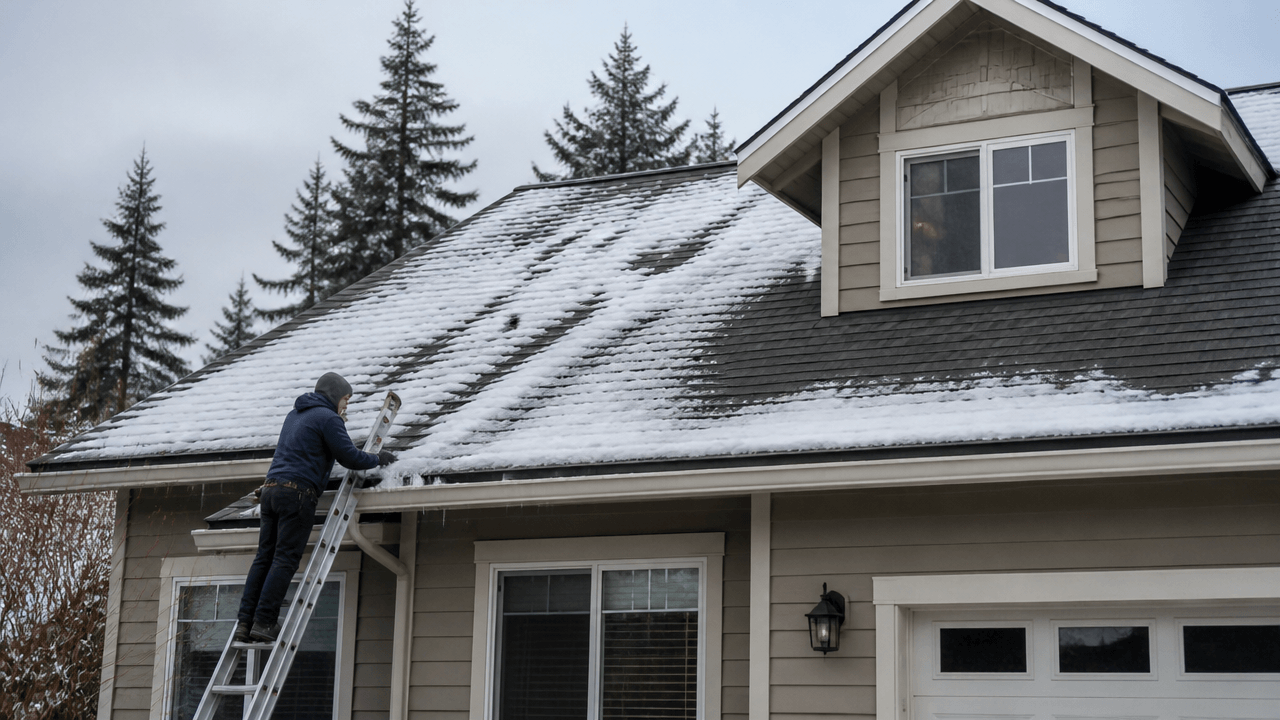
• Ice dams form when warm attic air melts snow on the roof, then the water refreezes at the edges. The best prevention starts with sealing air leaks, improving insulation, and keeping the roof temperature steady.
• A simple checklist can help homeowners lower the risk of winter roof damage. Focus on attic ventilation, clean gutters, roof edge buildup, and a pre-winter roof inspection.
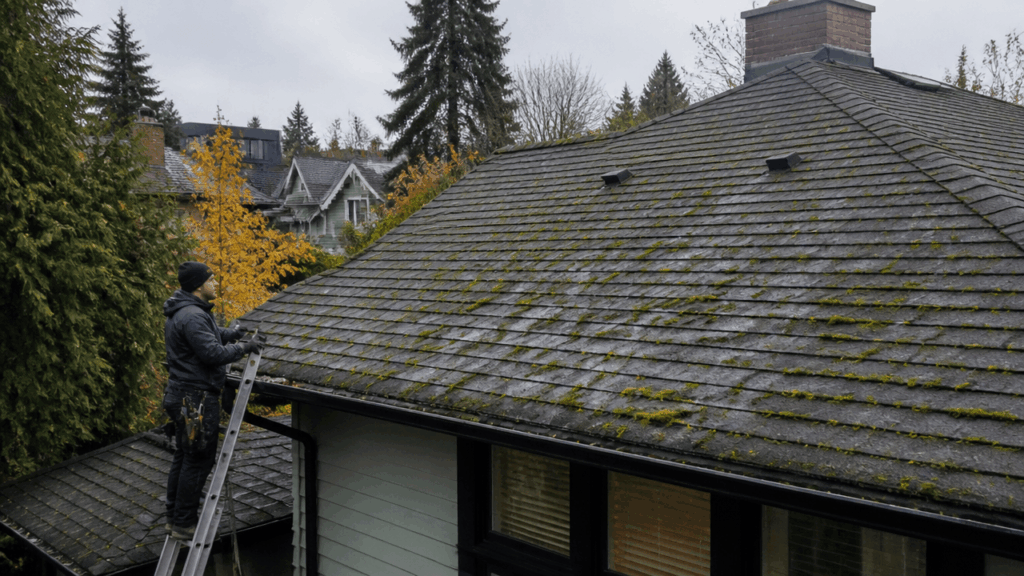
• In Lynnwood, wet fall weather can turn small roof issues into bigger problems fast. Acting early gives you a better chance to avoid leaks, protect shingles, and keep your home dry.
Set the Goal Before Winter Hits
The main goal of how to prevent ice dams on a roof is to keep warm air from melting snow too fast and sending water back under the shingles. In Lynnwood, that matters most in the colder fall and winter months when roof edges can stay cold while the attic stays warm.
A good first step is to check for weak spots in attic insulation, air leaks, and clogged gutters that can lead to uneven roof temperatures. If you want help spotting problem areas early, our roof inspection services can make the job easier.
When the roof stays evenly cold, snow melts more slowly and water drains the way it should. That is the clearest path to fewer ice dams, less leak risk, and less damage during wet Northwest weather.

Ice Dam Prevention Checklist
Use this checklist to help protect your roof before winter weather settles in. Small fixes now can save you from water damage, shingle stress, and gutter trouble later.
- ✅ Check attic insulation for thin or uneven spots
- ✅ Seal air leaks around vents, lights, and attic openings
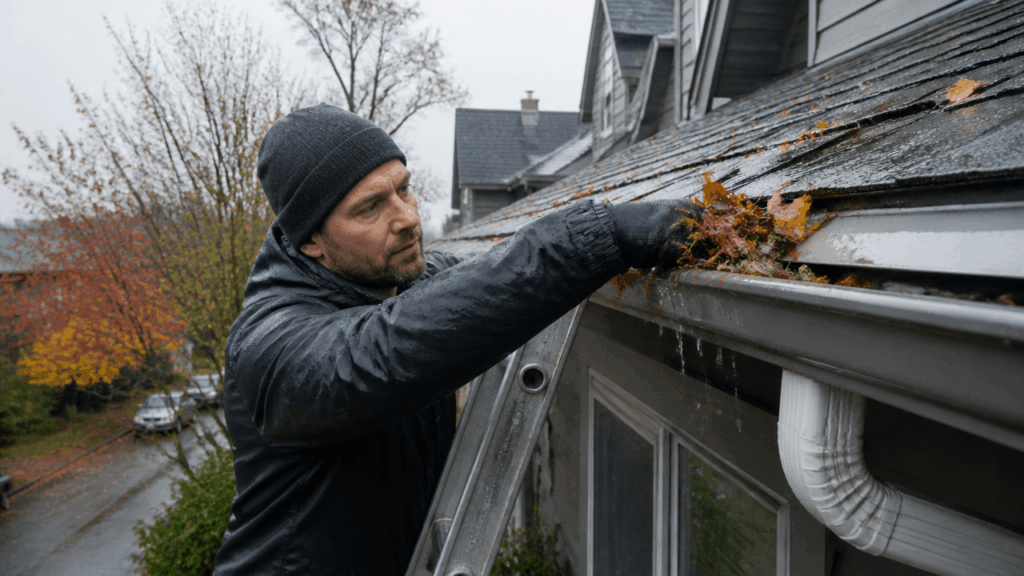
- ✅ Clear gutters and downspouts of leaves and debris
- ✅ Make sure attic ventilation is moving air properly
- ✅ Look for cold spots or warm areas on the roof surface
- ✅ Trim branches that may drop extra debris on the roof
- ✅ Remove heavy snow buildup from the roof edge when safe
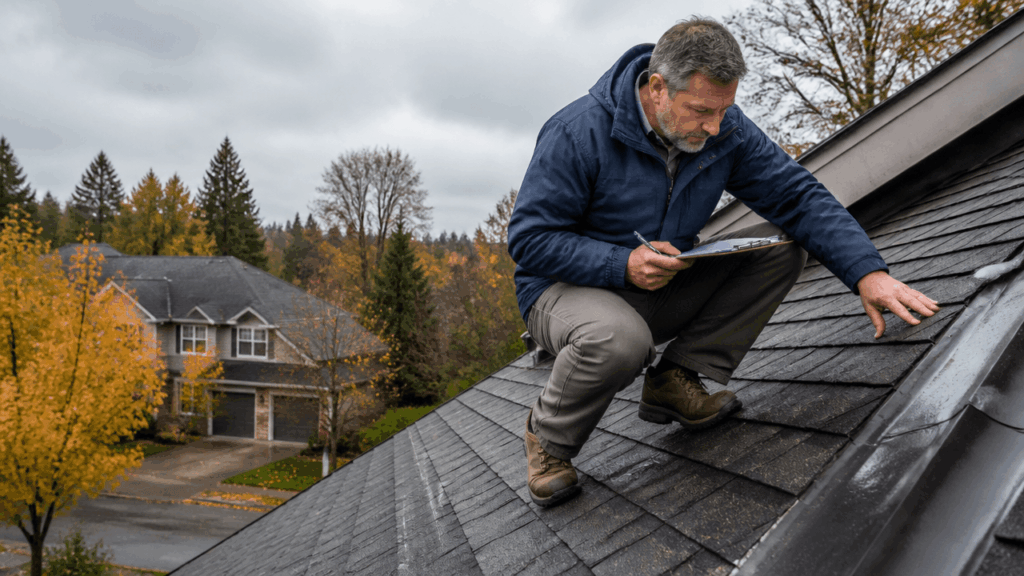
- ✅ Schedule a roof check before the coldest weather arrives
Following these steps can help reduce the chance of ice forming at the roof edge and backing water into your home. A steady roof system is the goal, especially during the wet and chilly months in Lynnwood.
For many homeowners, the best results come from pairing regular upkeep with a professional look at the roof and attic. That approach gives you a better shot at handling how to prevent ice dams on a roof before winter gets worse.
Additional Advice
One of the smartest moves is to treat the attic and the roof as one system. If warm air is leaking into the attic, even a strong roof can still run into trouble during cold snaps.
A common mistake is waiting until snow piles up before taking action. By that point, ice dam prevention becomes harder, and the risk of leaks can go up fast.
Homeowners should also pay attention to spots where heat escapes near chimneys, vents, and light fixtures. Small openings can create warm patches that lead to uneven melting on the roof.
If you are not sure where the problem is starting, a professional check can save time and stress; our roofing inspection team can help identify weak areas before the weather turns rough.
Frequently Asked Questions
What causes ice dams on a roof?
Ice dams happen when heat escapes into the attic and melts snow on the roof. That melted water runs to the colder roof edge, freezes again, and creates a blockage.
How do I prevent ice dams on a roof?
You prevent ice dams on a roof by keeping the attic cold, sealing air leaks, and making sure insulation and ventilation are working well. This helps snow melt evenly instead of refreezing at the edge.
Do clogged gutters cause ice dams?
Yes, clogged gutters can make ice dam problems worse. When water cannot drain properly, it is more likely to freeze at the roof edge and back up under shingles.
Is roof ventilation important for ice dam prevention?
Yes, roof ventilation is important because it helps keep the attic temperature closer to the outside air. That steady airflow lowers the chance of uneven snow melt and ice buildup.
When should I check my roof for ice dam risk?
You should check your roof before winter weather becomes steady and after any major snowfall. Early action is the best way to reduce the risk of leaks and roof damage.
Final Thoughts on Protecting Your Roof
Ice dams are easier to prevent than they are to fix, especially when cold weather settles in across Lynnwood. A roof that stays dry, insulated, and well-ventilated has a much better chance of handling winter weather.
Staying ahead of attic heat loss, drainage issues, and snow buildup can protect both your roof and your home. If you want to keep up with our work and tips, follow us on Instagram.