• Ceiling leaks can spread quickly in Ballard’s rainy weather, so spotting stains, drips, or sagging drywall early matters.
• The best ceiling leak repair starts with finding the source above the damage, not just fixing the visible spot inside the home.
• Practical tips like checking after storms, watching vents and chimneys, and getting a fast inspection can help prevent bigger repairs.
Why Ceiling Leaks Need Fast Action
A ceiling leak can turn a small problem into a bigger one in a short time. In Ballard, steady fall rain can push water into weak spots and leave stains, drips, or bubbling paint inside the home. If you need ceiling leak repair, waiting usually makes the damage spread faster. That is why it helps to act as soon as you notice the first signs.
Water from above can work its way into drywall, insulation, and framing before the ceiling starts to sag. Even a slow leak can weaken materials and create a mess that is harder to clean up later. We often see that early attention saves time, stress, and more expensive fixes. For homeowners in Ballard, checking the source quickly matters because wet weather can keep the problem active.
If you spot a stain, a damp patch, or a new musty smell, the leak may already be doing hidden damage. Our team at roof inspection services can help track down the cause before it spreads. The sooner we find it, the easier it is to protect your home from deeper issues. A small warning sign today can become a much larger repair tomorrow.
What Usually Causes Ceiling Leaks
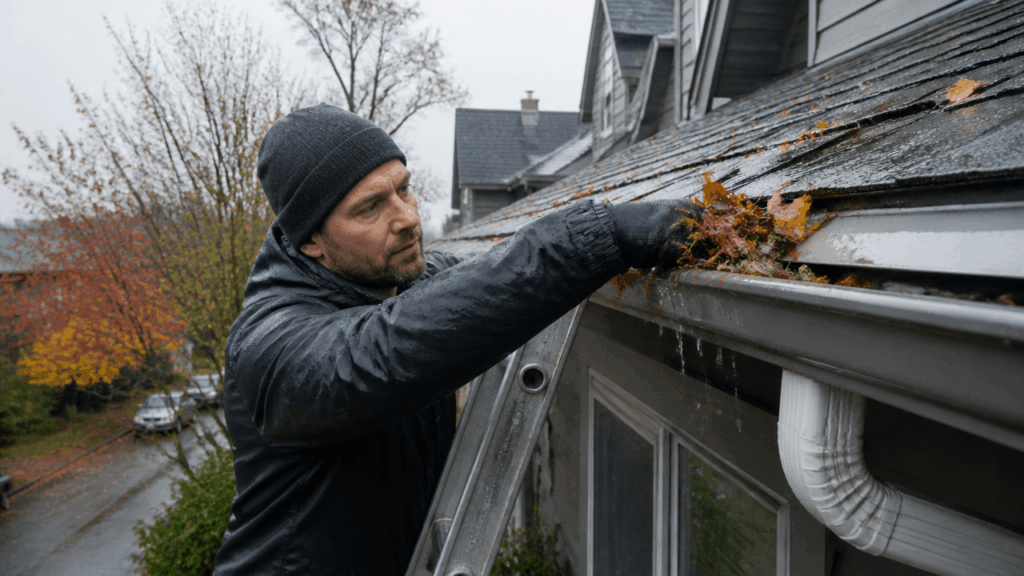
Ceiling leaks often start with roof problems, worn flashing, clogged gutters, or cracked seal points around vents and chimneys. In a rainy place like Ballard, even a small weakness can let water move inside during fall storms. That is why ceiling leak repair is not just about patching the ceiling surface. The real fix starts with finding where the water is entering.
Sometimes the leak shows up far from the actual problem area, which can make it tricky to spot. Water can travel along wood, insulation, or framing before it drops through the ceiling below. We look at the full path of the leak so the repair addresses the source, not just the stain. For more involved issues, our roofing repair services can help restore the area and reduce the chance of repeat leaks.
Tips From The Pros
🔎 Tip 1: Check for early warning signs
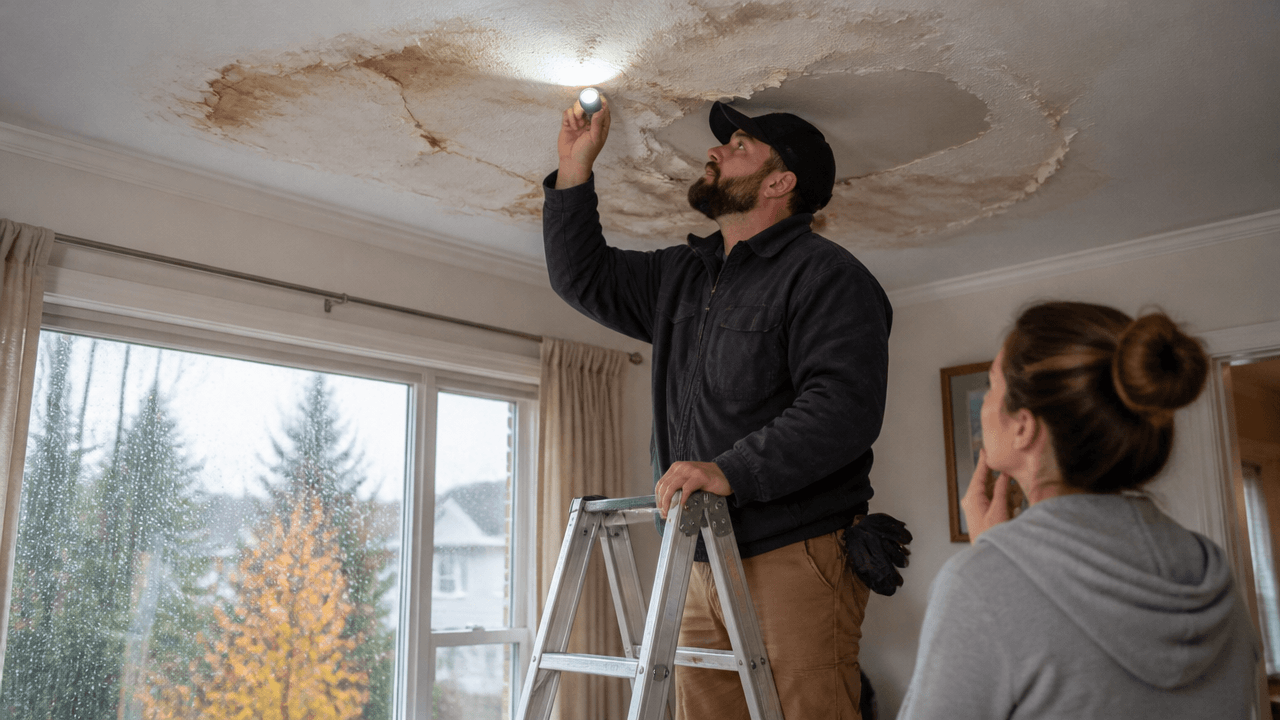
Look for water spots, peeling paint, bubbling drywall, or small brown rings on the ceiling. These signs often show up before a leak becomes obvious, and catching them early can limit the damage.
🌧️ Tip 2: Pay attention after heavy rain
Ceiling leaks often become easier to notice during or after a storm. If the spot grows, darkens, or starts to drip, that usually means water is still getting in.
🛠️ Tip 3: Do not wait for the stain to spread
A small stain can hide a larger problem above the ceiling. Quick ceiling leak repair can help protect drywall, insulation, and framing from further damage.
🏠 Tip 4: Check areas near vents and chimneys
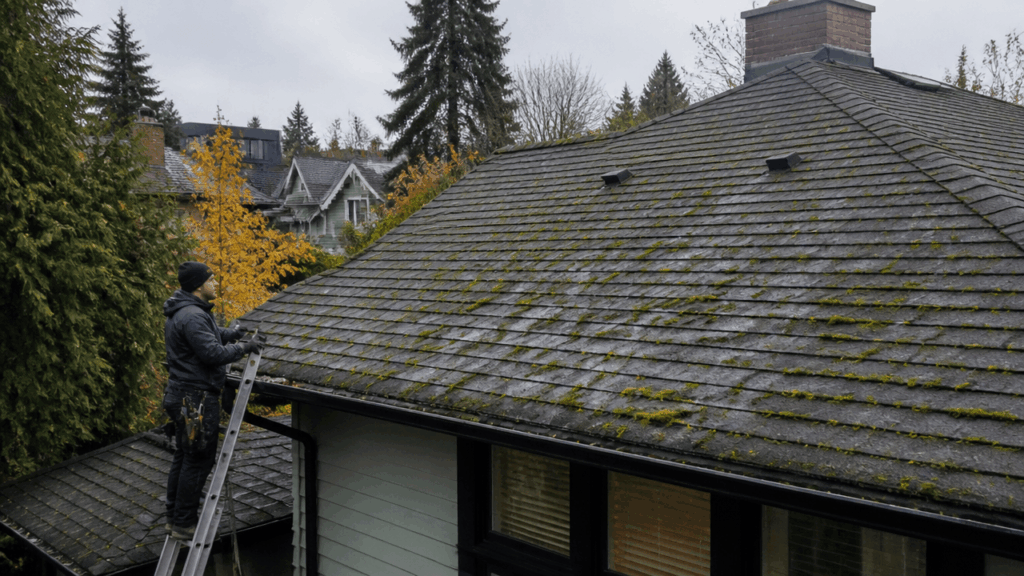
Roof openings are common places for water to get inside. Flashing around these areas can wear out over time, especially in wet weather.
🪣 Tip 5: Keep a bucket under active drips
If water is coming through, contain it right away to help protect floors and furniture. This does not fix the leak, but it can reduce damage while the repair is being arranged.
🔧 Tip 6: Watch for sagging drywall
A soft or bulging ceiling can mean water has already built up inside the material. That is a strong sign the issue needs fast attention before the ceiling worsens.
📋 Tip 7: Document the damage quickly
Take clear photos of stains, drips, and any affected rooms. Good records can help show how the problem started and how far it spread.
🧰 Tip 8: Get the source checked, not just the ceiling
A repaired stain alone will not solve the issue if water is still entering from above. The safest fix is one that addresses both the ceiling damage and the cause of the leak.
Frequently Asked Questions
What are the first signs that I need ceiling leak repair?
Yes, the first signs are usually water stains, bubbling paint, soft drywall, or a damp smell near the ceiling. These clues often show up before the leak becomes severe, so quick action matters.
Can a small ceiling stain turn into a bigger problem?
Yes, a small stain can grow if water keeps getting in. Over time, the damage can spread into drywall, insulation, and framing, which makes repairs more involved.
Why do ceiling leaks happen during rainy weather?
Yes, rainy weather can make weak roofing areas more likely to let water inside. Worn flashing, loose seals, and clogged drainage points can all allow moisture to enter during storms.
How do you find the source of a ceiling leak?
Yes, we look for the path the water is following from the roof down to the ceiling. The leak source is often above the visible damage, so a careful inspection is the best way to find it.
Is ceiling leak repair something I should handle right away?
Yes, it should be handled right away because water damage can spread quickly. Fast repair helps protect the home and lowers the chance of more costly problems later.
Keep Your Home Protected This Fall
Ceiling leaks are never something to ignore, especially in a rainy season like fall in Ballard. When we catch the problem early, we can help limit damage and keep the repair process simple. A quick response also gives you a better chance of protecting the rest of the home from hidden moisture.
If you notice warning signs, it is smart to act before the issue grows into something harder to manage. With the right attention, ceiling leak repair can help keep your home dry and secure through the season. For more updates and project work, follow us on social media.