• Cold weather can turn small roof problems into urgent leaks fast, especially when ice, snow, and wind hit the same home. Quick action helps protect ceilings, insulation, and framing before damage spreads.
• The blog shares practical tips for spotting winter roof trouble, from ceiling stains and ice buildup to lifted shingles and attic moisture. It also explains what to do first when emergency roof repair in cold weather is needed.
• Homeowners can use these tips to respond faster, avoid unsafe roof checks, and know when to call for help. The goal is to limit damage early and keep the home safer through the season.
Why Cold Weather Roof Damage Needs Fast Action
When temperatures drop in Medina, small roof problems can turn into urgent ones fast. A loose shingle, a weak seal, or a tiny leak can let in water that freezes and expands. That kind of damage can spread before you even notice it, which is why emergency roof repair in cold weather should never be delayed.
Winter weather puts real stress on roofing materials, especially when snow, wind, and ice hit the same home. Our team at roof repair services knows that fast action can help limit interior damage and protect the structure of your home. When the roof is already under pressure, waiting often makes the problem harder and more costly to fix.
Homeowners in Medina often spot trouble after a storm has already passed. Dark ceiling spots, dripping water, or sudden drafts can all point to a roof issue that needs attention right away. Acting early gives us a better chance to stop the damage before it spreads to insulation, drywall, or framing.
What We Look For During Winter Repairs
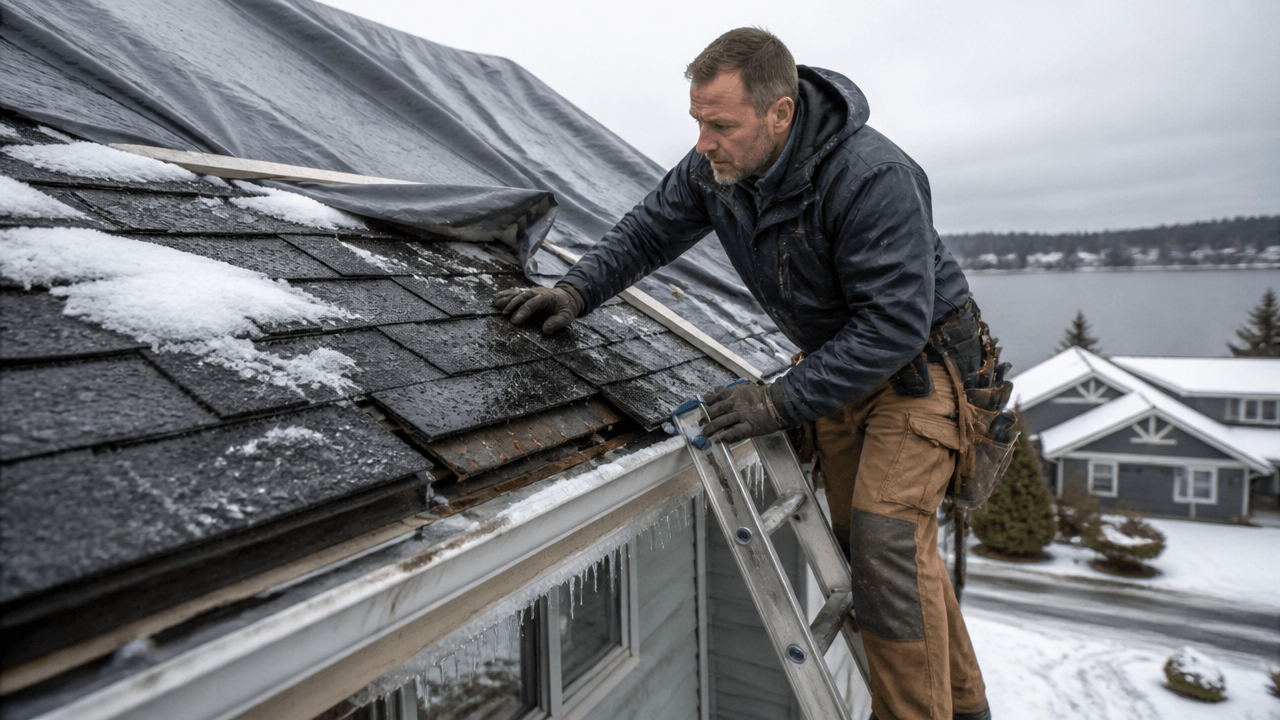
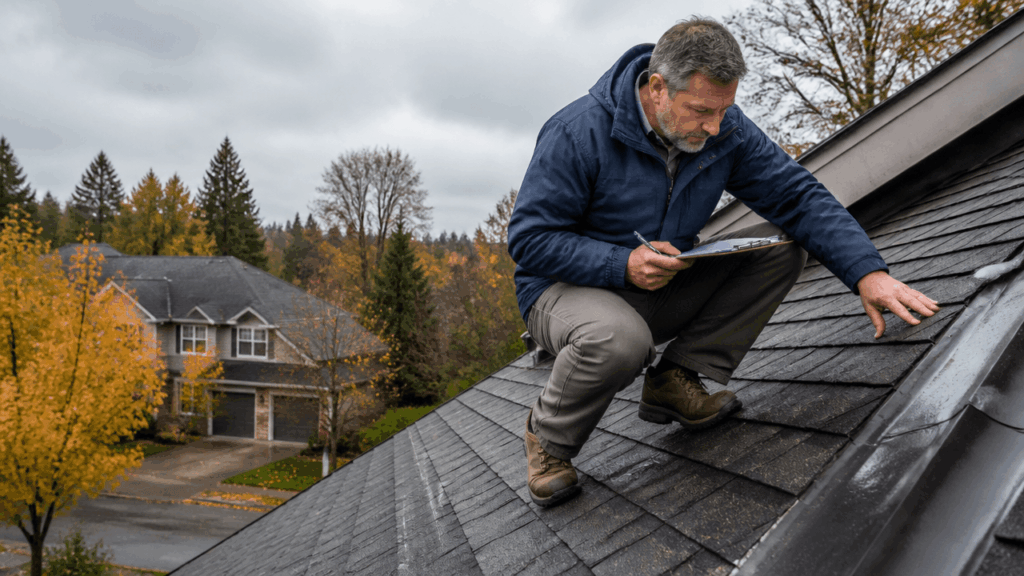
Cold weather roof work starts with finding the source of the problem, not just the visible damage. Water can move far from the opening that let it in, so we check flashing, valleys, shingles, vents, and the edges where ice buildup often causes trouble. A careful look helps us make the right repair instead of covering up the wrong spot.
We also pay close attention to how freezing conditions affect the roof surface and the materials around it. If a roof is brittle from the cold, rushed work can create more issues than it solves, which is why timing and method both matter in emergency roof repair in cold weather. Safe, steady repairs help protect both the roof and the people living inside the home.
When a leak happens during winter, it is often tied to ice, snow, or wind finding a weak point. That is why we focus on stopping the source first and then restoring the roof in a way that holds up through the season. Even a short delay can allow trapped moisture to keep spreading behind walls and ceilings.
Tips from the Pros
🛠️ Tip 1: Check for ceiling stains right away
If you notice a brown spot or soft area on the ceiling, treat it as an active warning sign. Water damage can move fast in cold weather, so early action matters.
🌨️ Tip 2: Watch for ice buildup at roof edges
Ice along the eaves can block drainage and push water under shingles. This is one of the most common winter problems that can lead to emergency roof repair in cold weather.
🔎 Tip 3: Look for missing or lifted shingles
Strong wind and freezing temperatures can loosen roofing materials. Even a small gap can let in water and create a bigger issue once snow starts to melt.
📋 Tip 4: Inspect the attic for damp spots
A quick attic check can reveal moisture before it reaches living spaces. Dark wood, wet insulation, or a musty smell can all point to roof trouble.
🧤 Tip 5: Stay off the roof in icy weather
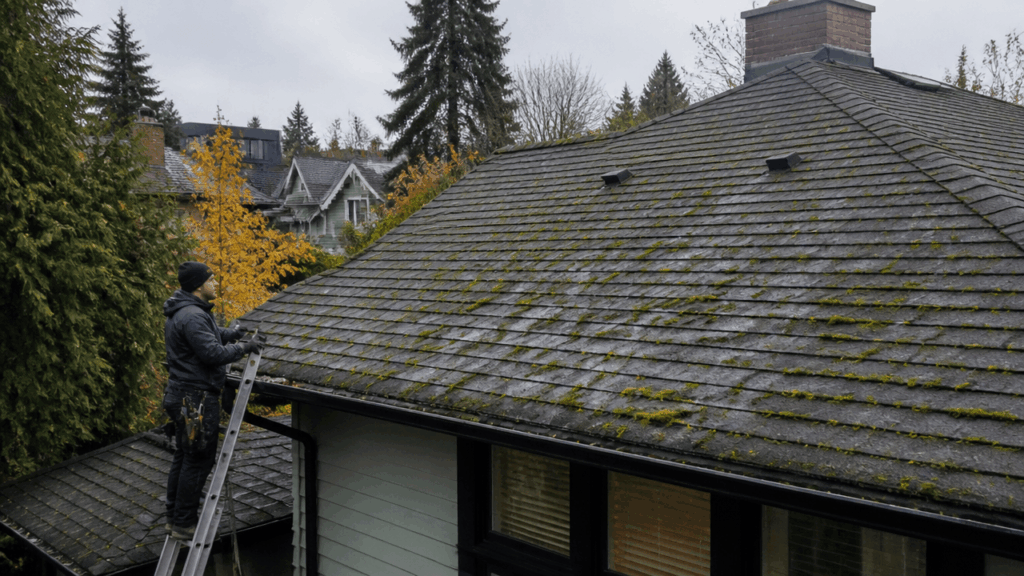
Icy surfaces are slippery and dangerous, and walking on a cold roof can also make damage worse. It is safer to look from the ground and call for help when repairs are needed.
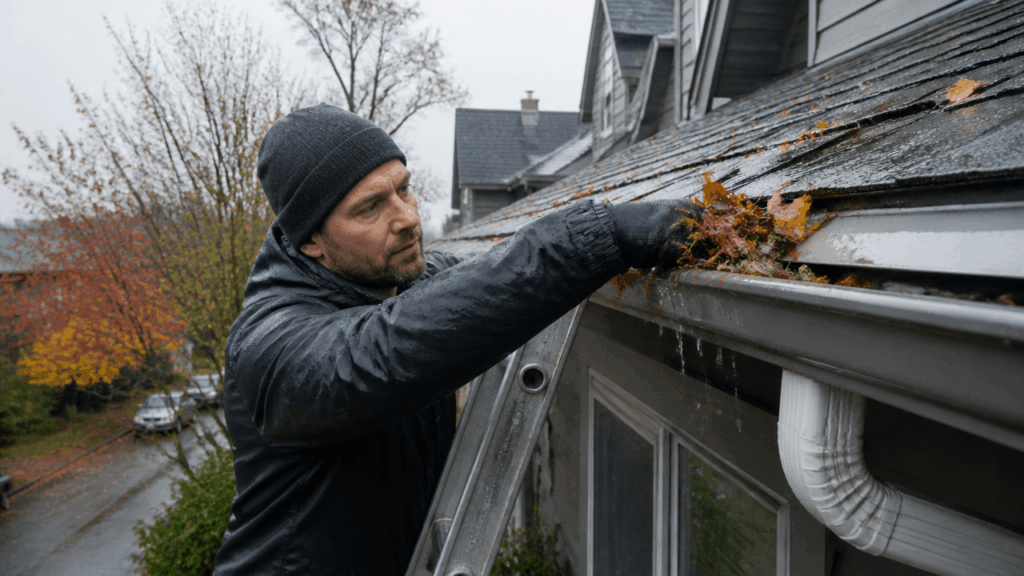
🔥 Tip 6: Keep gutters clear before storms
Blocked gutters can trap water and ice near the roof edge. That backup often leads to leaks and other cold-weather roof problems.
⚠️ Tip 7: Do not ignore dripping near vents or chimneys
These spots often fail first when weather turns harsh. Small leaks around flashing can spread quickly during freezing and thawing cycles.
📞 Tip 8: Get help as soon as damage appears
Fast action can limit how far the water travels inside the home. When the issue is caught early, repairs are often simpler and the home stays better protected.
Frequently Asked Questions
What counts as an emergency roof repair in cold weather?
Yes, any roof issue that lets water, snow, or ice into the home can count as an emergency. This includes active leaks, missing shingles, storm damage, and signs of water reaching the ceiling or attic.
Can a roof leak get worse in winter?
Yes, a roof leak can get much worse in winter because freezing and thawing can widen small openings. Water can also freeze inside weak spots and keep damaging the roof over time.
How do I know if I need immediate roof help?
Yes, you likely need immediate help if you see dripping water, ceiling stains, sagging drywall, or ice-related damage. These signs usually mean the roof has already been compromised and should be addressed quickly.
Is emergency roof repair in cold weather safe to do right away?
Yes, it is safe when handled by trained professionals using the right methods and materials. Cold weather can make roof surfaces brittle and slippery, so careful work is important.
What should I do first if I think my roof is leaking?
Yes, the first step is to protect the area inside the home and document the damage if possible. Then arrange for fast inspection and repair so the leak does not spread further.
Final Thoughts on Winter Roof Protection
Cold weather makes small roof problems more serious, especially when snow and ice are part of the picture. That is why quick attention and the right repair approach matter so much for homes in Medina. With the right plan, emergency roof repair in cold weather can help protect both your roof and the rest of your home.
We know winter roof damage can feel stressful, but acting early gives you a better path forward. If you want to stay connected with our team and see what we are working on, follow us on social media.