• Flat roof insulation matters most when colder fall weather starts to settle into Mountlake Terrace, because heat loss and hidden moisture problems can grow fast. The blog explains why waiting can lead to more damage and why early action helps protect comfort and the roof structure. It also shows how the right approach can support a longer-lasting roofing system.
• The article walks readers through how to insulate a flat roof step by step, from checking the surface to sealing joints and doing a final inspection. Each step is written to be easy to follow and focused on practical roof care. It helps homeowners understand what matters most before starting a DIY project.
• The blog also covers common DIY mistakes and answers key questions about flat roof insulation in a clear, direct way. Readers can see what often goes wrong, why it happens, and how to avoid costly errors. This makes the post useful for anyone trying to protect a flat roof before winter weather sets in.
Why Flat Roof Insulation Matters Now
As fall settles into Mountlake Terrace, a flat roof can start losing heat faster than many owners expect. That makes it harder to keep indoor spaces comfortable and can raise energy use when cooler nights arrive. If we ignore the problem now, small weak spots can turn into bigger issues once rain and wind pick up. A good place to start is our roof inspection service, which can help us spot trouble before winter pressure builds.
Knowing how to insulate a flat roof is important because this roof style can trap moisture if the layers are not set up right. When insulation is thin, uneven, or damaged, heat escapes and the roof deck can become more vulnerable over time. In a damp season like fall, that can lead to comfort problems and repair costs that could have been avoided. Taking action early helps us protect both the roof system and the building below it.
A flat roof needs more than just material on top of it. It needs the right fit, solid coverage, and careful attention to moisture control. When we plan ahead, we give the roof a better chance to hold up through changing weather and colder nights. That is why this topic matters for local property owners who want to stay ahead of seasonal wear.
What Good Flat Roof Insulation Does
The main job of insulation is to slow the movement of heat through the roof. That means warmer air stays inside longer during cold weather, and the indoor space feels more stable day and night. It also helps reduce strain on the heating system, which can make daily comfort easier to manage. For flat roofs, good insulation also supports the rest of the roof assembly by helping it stay balanced.
We should also think about moisture because insulation and water control go hand in hand. If a flat roof is insulated the wrong way, trapped dampness can create hidden damage that is hard to notice at first. That is why correct layering and careful sealing matter just as much as the insulation itself. When we use the right method, we help the roof stay drier, warmer, and more dependable through the fall season.
Step-by-Step Guide
📝 Step 1: Check the roof surface
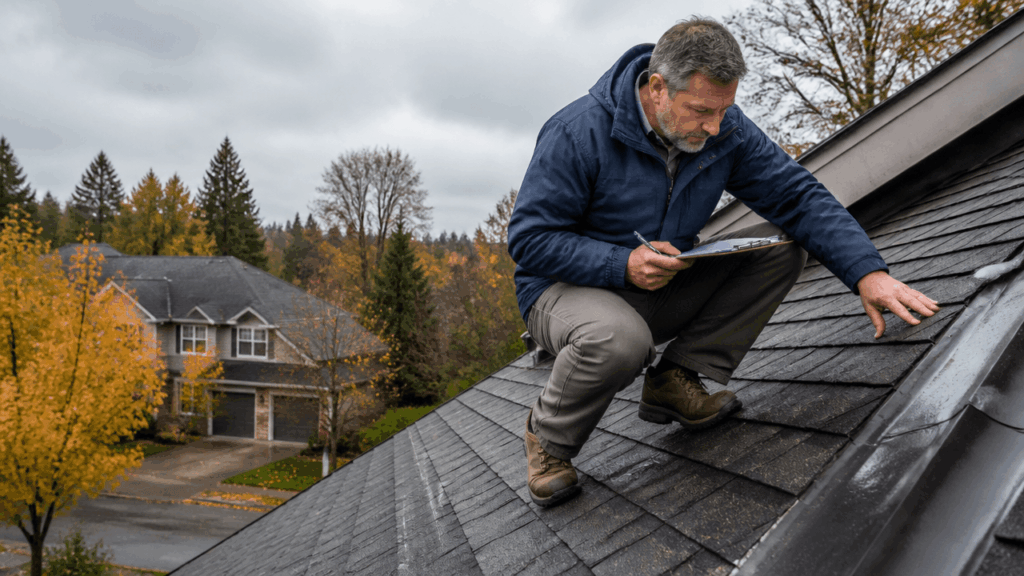
Look closely at the flat roof for soft spots, stains, cracks, or areas that already hold water. This matters because insulation only works well when the roof structure underneath is sound.
🧹 Step 2: Clean off dirt and debris
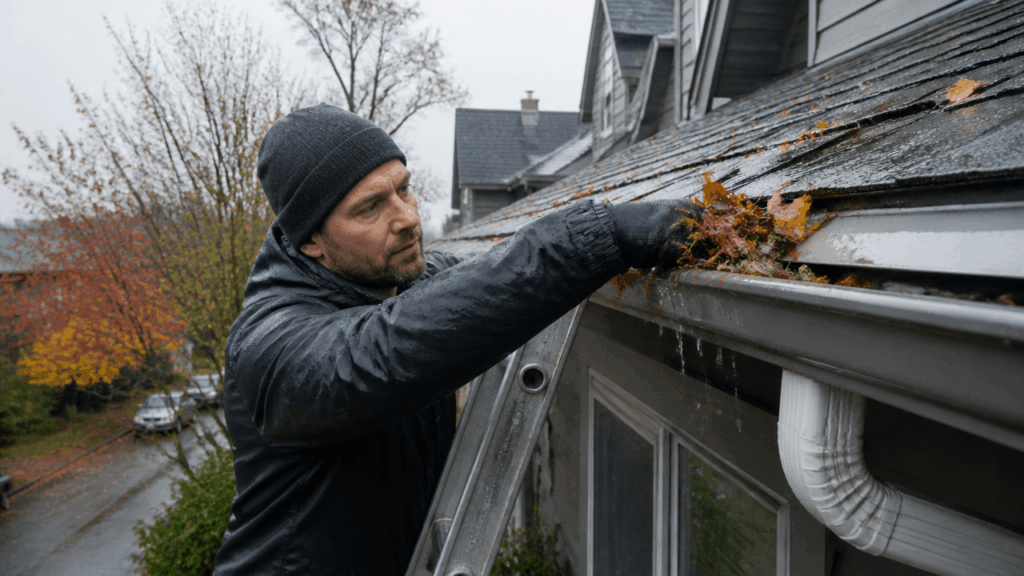
Remove leaves, dust, loose material, and anything else that could get in the way of the work. A clean surface helps the next layers sit properly and lowers the chance of trapped moisture.
📏 Step 3: Measure the roof area
Measure the full space so we know how much insulation material is needed. Accurate measurements help reduce waste and make sure coverage is even across the roof.
🧱 Step 4: Choose the right insulation type
Select insulation that fits the roof design and local weather needs. Flat roofs usually need a setup that supports both thermal control and moisture resistance.
✂️ Step 5: Cut materials to fit
Trim the insulation boards or sheets so they match the roof layout. Clean cuts help limit gaps, and fewer gaps mean better heat control.
🛠️ Step 6: Install the insulation evenly
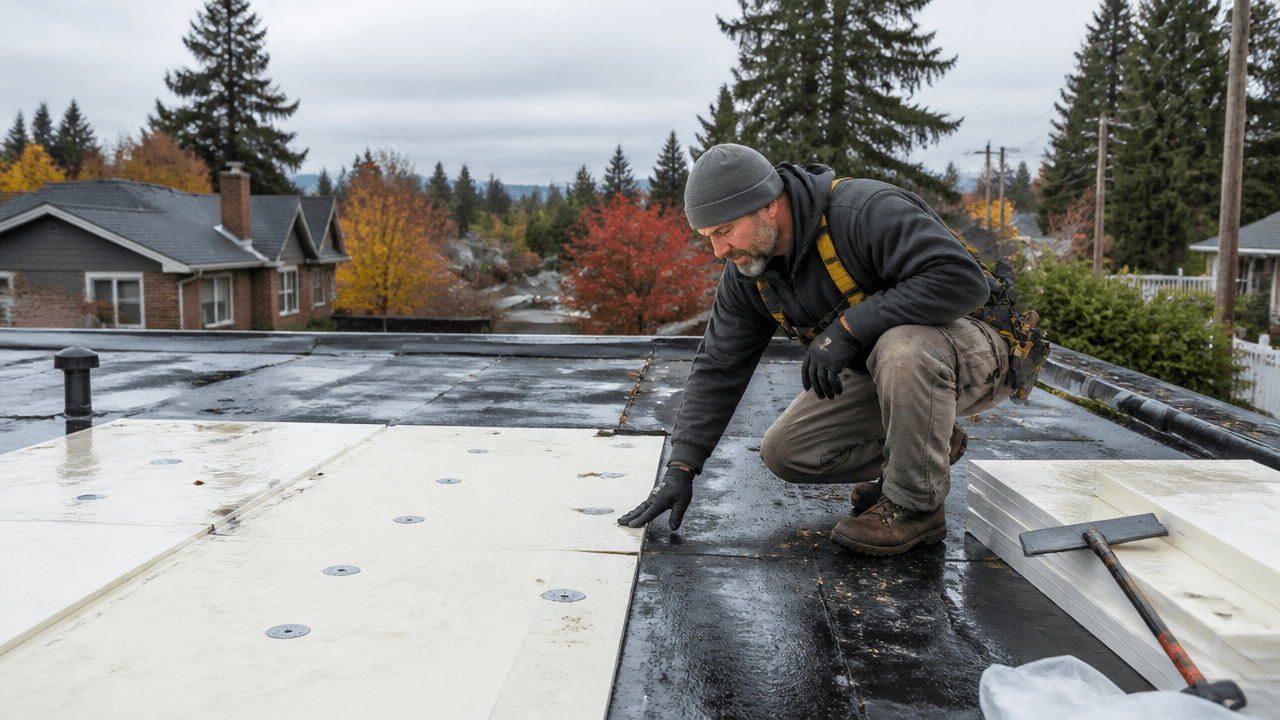
Place the material across the roof so it sits flat and covers the surface without open spaces. Even placement helps prevent cold spots and supports steady performance.
🔒 Step 7: Seal the edges and joints
Secure the seams, edges, and transitions so air and moisture have less chance to sneak in. This step is important because weak seams can undo the benefit of the whole system.
✅ Step 8: Inspect the finished work
Review the roof again after installation to make sure everything is tight and level. A final check helps catch missed spots before weather has a chance to test the roof.
Mistakes DIY Roof Insulation Can Run Into
A flat roof can be tricky to insulate if the work is rushed or planned too loosely. Many DIY problems start small, but they can lead to bigger heat loss or moisture trouble later. Paying attention to the basics helps us avoid costly fixes and weak results.
- ⚠️ Mistake 1: Skipping the roof check
This happens when someone starts insulating before looking for damage, damp areas, or weak decking. It often happens because the surface looks fine from a distance, but hidden issues can still be there. To prevent it, we should inspect the roof first and repair any problems before adding insulation. - ⚠️ Mistake 2: Using the wrong insulation product
This mistake means choosing material that does not suit a flat roof system or the local weather. It usually happens when the main focus is price instead of fit and performance. To prevent it, we should pick insulation that works well with flat roof conditions and moisture control needs. - ⚠️ Mistake 3: Leaving gaps during installation
Gaps allow heat to escape and can create cold spots in the roof area. This usually happens when the pieces are cut too fast or placed without careful measuring. To prevent it, we should fit each piece tightly and check for open spaces before sealing everything up. - ⚠️ Mistake 4: Ignoring seam sealing
Unsealed joints can let in air and moisture, which can weaken the roof over time. This often happens when the installer focuses on the main surface and forgets the edges. To prevent it, we should seal all joints and borders with the same care as the rest of the system. - ⚠️ Mistake 5: Forgetting the final inspection
Some people stop once the insulation is in place and never check the finished result. That happens because the job feels done, even though small errors may still be hidden. To prevent it, we should review the work carefully and correct any weak spots right away.
Frequently Asked Questions
What is the best way to insulate a flat roof?
Yes, the best way is to use the right insulation type for the roof design and install it evenly with sealed joints. how to insulate a flat roof starts with a clean, dry surface and ends with a careful inspection to make sure coverage is complete. That approach helps reduce heat loss and lowers the chance of moisture problems.
Can a flat roof be insulated from the inside?
Yes, a flat roof can sometimes be insulated from the inside, but the setup must be planned carefully. The wrong method can trap moisture in the roof system and cause damage over time. We always recommend matching the insulation method to the roof structure and local weather conditions.
Why does a flat roof need special insulation care?
Yes, flat roofs need special care because they do not shed water as quickly as sloped roofs. That means insulation must work together with moisture control to protect the roof deck and indoor comfort. A small mistake can lead to bigger issues if water gets trapped in the system.
How long does flat roof insulation usually last?
Yes, good flat roof insulation can last many years when it is installed correctly and kept in good condition. Wear, water damage, and poor sealing can shorten its life. Regular checks help catch problems early before they spread.
Should I hire a pro for flat roof insulation?
Yes, hiring a pro is often the safer choice, especially if the roof has leaks, soft spots, or older materials. A trained team can handle the details that affect heat control and moisture protection. That can save time and reduce the risk of costly mistakes.
Final Thoughts on Flat Roof Insulation
Getting the insulation right can make a big difference for a flat roof during the colder months in Mountlake Terrace. When we follow the right steps, we help the roof hold heat better, manage moisture more carefully, and stand up better to fall weather. That is the kind of planning that protects both comfort and the structure itself.
If we want long-lasting results, it helps to treat insulation as part of the whole roofing system, not just one layer. Careful prep, proper fit, and a final check all matter when we want the work to last. For more updates and roof care tips, follow us on social media.