• Inspect your roof early for visible damage, loose shingles, and weak flashing before winter weather makes small problems worse.
• Clear gutters, remove debris, and check the attic so water can drain properly and hidden leaks can be caught fast.
• Follow a simple roof prep process now to lower the risk of leaks, water damage, and costly repairs later.
Get Your Roof Ready Before Winter Arrives
October in Fremont can bring steady rain, colder nights, and fast-changing weather that puts extra stress on a roof. Small issues that seem harmless in autumn can turn into leaks, drafts, and water damage once winter weather sets in. If you are thinking about how to prepare your roof for winter, this is the time to act before the first real storm makes those problems harder to handle.
A roof that is already worn or clogged with debris has a harder time shedding water when the season changes. That can lead to trapped moisture, loose shingles, and trouble around flashing or gutters. We often see that homeowners wait until they spot a stain on the ceiling, but by then the repair usually takes more time and costs more.
The good news is that a few smart steps now can help protect your home through the cold months ahead. A careful check of your roof, gutters, and attic can reveal trouble early and give you time to fix it. If you want a strong start, our roof inspection services can help you spot concerns before winter settles in.
Why Fall Roof Prep Matters
Fall is the best time to get ahead of winter roof problems because conditions are often stable enough for safe inspection and repair. When rain, wind, and cooler air arrive, even a small gap can let water work its way under shingles and into the roof deck. That is why we encourage homeowners to treat roof prep as a priority, not a last-minute chore.
Preparing early also helps your roof handle the weight of wet debris, strong gusts, and repeated temperature swings. Loose shingles, clogged gutters, and worn sealant can all get worse fast once the weather turns. If you are already seeing signs of wear, it may be wise to review our roof repair options before the season changes fully.
How to Prepare Your Roof for Winter
🧾 Step 1: Walk the Property and Look for Visible Damage
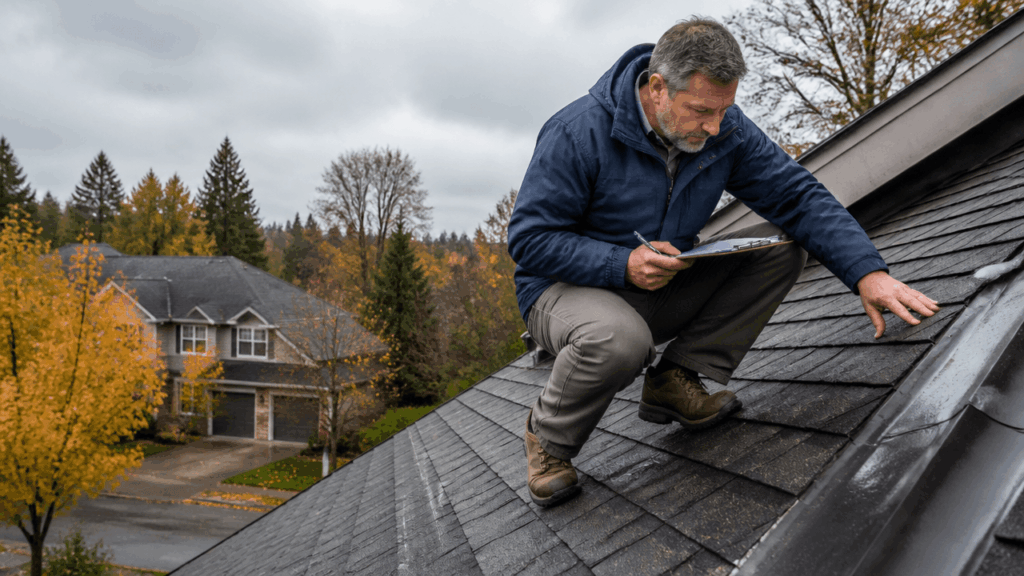
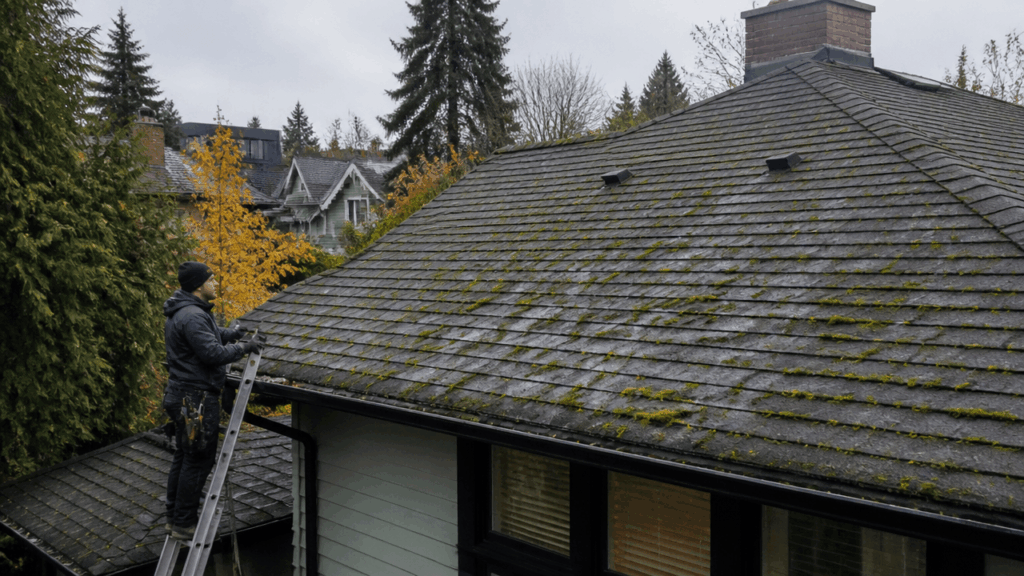
Start by checking your roof from the ground with a careful eye for missing shingles, sagging areas, or debris buildup. This matters because early warning signs are often easy to miss if you only look after a storm. If you see anything out of place, make a note so you can deal with it before weather makes it worse.
🧹 Step 2: Clear Leaves, Branches, and Loose Debris
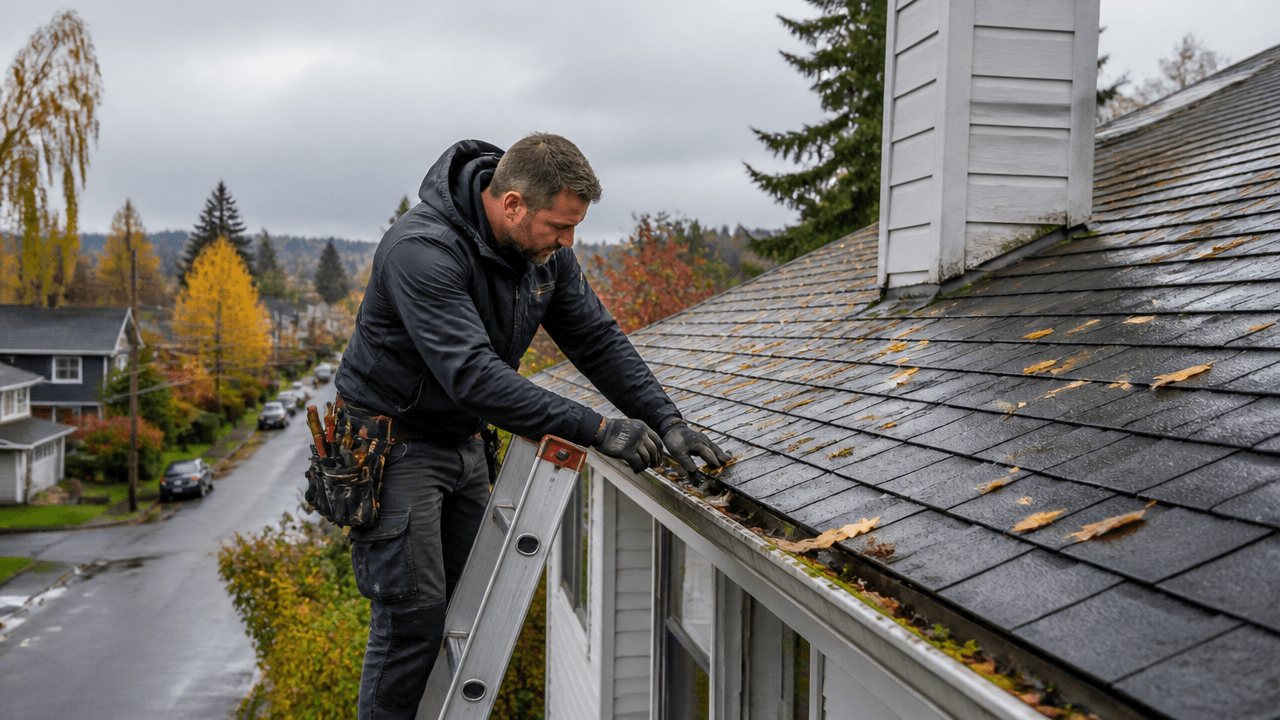
Remove any material sitting on the roof or caught in roof valleys, since it can trap moisture and slow drainage. Wet debris can hold water against the surface and raise the chance of rot or leaks. Keep the roof clean so melting rain and winter runoff can move off the home as they should.
🔎 Step 3: Check Shingles and Flashing Closely
Look for curled, cracked, or missing shingles, and pay close attention to flashing around chimneys, vents, and skylights. These are common entry points for water because they protect the seams where different roof parts meet. Fixing small issues now is much easier than waiting for winter storms to expose them.
🪜 Step 4: Inspect Gutters and Downspouts
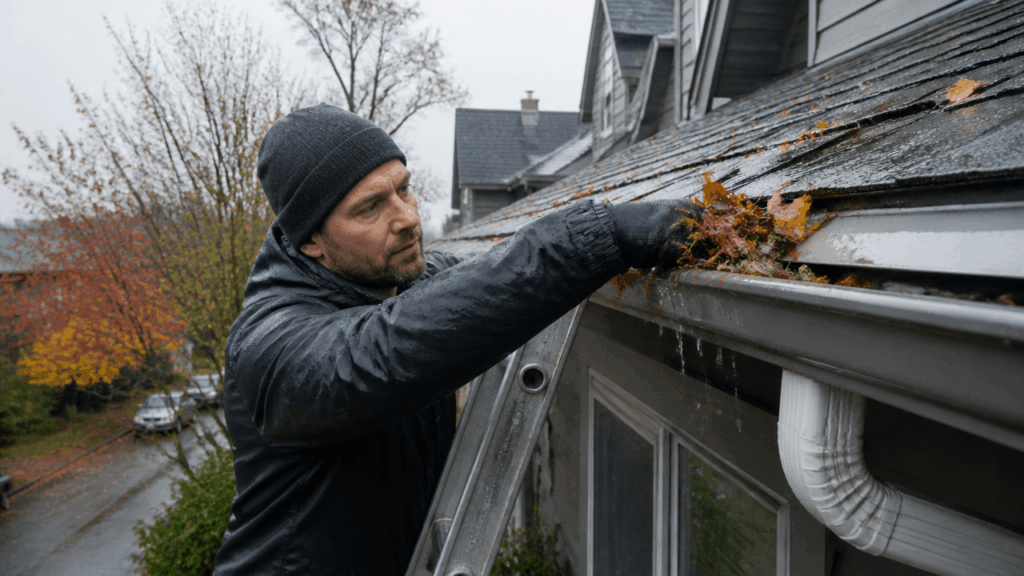
Make sure gutters are clear and downspouts are moving water away from the home. When gutters clog, water can back up under the roof edge and cause damage to the fascia or interior walls. Clean drainage helps protect the roof structure during heavy rain and freezing nights.
🏠 Step 5: Check the Attic for Early Warning Signs
Go into the attic and look for water stains, damp insulation, or areas where daylight shines through. These signs can point to roof openings that are not always visible from outside. A dry attic is a strong sign that your roof is doing its job.
🛠️ Step 6: Seal Small Gaps and Weak Spots
Use the right materials to close minor openings around vents, flashing, and exposed edges. Small cracks may not seem urgent, but they can let in water when rain and wind hit at the same time. Taking care of those spots now helps your roof stay tight through winter.
📅 Step 7: Schedule a Professional Roof Check
A trained roofer can spot problems that are easy to overlook, including soft spots, hidden wear, and early leak risks. This is helpful because not every issue is visible from the ground or even from the attic. A professional review can give you more confidence before the cold season gets going.
Common DIY Mistakes to Avoid
Many homeowners try to handle roof prep on their own and still miss important warning signs. That usually happens because the roof is only checked from one angle or the work is rushed before bad weather arrives. Knowing the common mistakes can help you avoid damage and save time later.
- ⚠️ Mistake 1: Only Looking at the Roof from a Distance
This happens when people skip a closer check and assume the roof looks fine from the street. Small cracks, loose edges, and weak flashing can be hidden from view, so the problem gets missed. Prevent this by using a careful ground-level review and then checking key areas more closely. - ⚠️ Mistake 2: Leaving Gutters Full of Debris
People often forget that gutters are part of the roof system and need the same attention. When leaves and dirt stay trapped, water cannot drain the right way and may back up toward the roof edge. Clean them before the heavy rain starts so runoff can move freely. - ⚠️ Mistake 3: Ignoring Small Shingle Damage
This usually happens because a curled shingle or tiny crack does not look serious at first. In cold and wet weather, those weak spots can open up and let water in. Deal with damaged shingles early so they do not become a larger repair later. - ⚠️ Mistake 4: Forgetting the Attic Check
Many DIY efforts stop at the outside of the home, which leaves hidden problems out of sight. Moisture, stains, and weak insulation often show up inside before the roof leak becomes obvious outside. Check the attic so you can catch signs of trouble before winter pressure increases. - ⚠️ Mistake 5: Waiting Until the First Storm Hits
This mistake happens when homeowners put off the work because the roof seems fine in dry weather. Once rain and wind arrive, small issues become much harder to manage and may lead to interior damage. Prevent this by preparing the roof in advance while weather is still workable.
Frequently Asked Questions
How to prepare your roof for winter in Fremont?
Yes, the best way to prepare your roof for winter is to inspect it early, clear debris, and check gutters, shingles, flashing, and attic spaces. In Fremont, October is a smart time to do this because fall weather can bring rain and cooler temperatures before winter sets in. Taking action now helps reduce the chance of leaks and other cold-weather damage.
What should I check first when preparing my roof for winter?
Yes, you should start with visible damage, including missing shingles, sagging spots, and debris on the roof surface. After that, check gutters and the attic so you can catch problems that are not obvious from the outside. This gives you a fuller picture of the roof’s condition before the season changes.
How often should I inspect my roof before winter?
Yes, a roof should be checked at least once in the fall before winter weather arrives. If your area gets frequent storms or strong winds, it is smart to look again after rough weather. Regular checks make it easier to catch small issues before they grow.
Can clogged gutters damage my roof in winter?
Yes, clogged gutters can cause water to back up and create problems along the roof edge. When water cannot drain properly, it can raise the risk of leaks, fascia damage, and ice-related issues in colder conditions. Keeping gutters clear is one of the simplest ways to protect the roof.
When should I call a professional for roof prep?
Yes, you should call a professional if you see missing shingles, repeated leaks, damaged flashing, or signs of moisture in the attic. A roofer can identify hidden issues and recommend the right fix before winter weather makes the damage worse. This is especially helpful if you want peace of mind heading into the rainy season.
Finish Your Prep Before Winter Weather Hits
Taking time to care for your roof in the fall can save you from bigger problems when winter weather moves in. A few careful checks now can protect your home from leaks, drafts, and costly damage during the months ahead. If you are serious about how to prepare your roof for winter, the best move is to act before the first storm arrives.
We help homeowners in Fremont stay ahead of seasonal roof problems with practical service and trusted support. When you are ready to keep up with our latest work and roofing updates, follow us on social media.