• Winter roof leaks can spread fast, so it helps to find the source early and limit indoor water damage right away.
• Common trouble spots include flashing, roof edges, vents, gutters, and areas where ice or standing water can collect.
• A careful step-by-step approach can help you stop a winter roof leak safely until a full repair is made.
When Winter Roof Leaks Need Fast Attention
A winter roof leak can start small, then turn into a much bigger problem fast. In Magnolia, cold rain and wind can push water into weak spots before you even notice the first drip. If you need how to stop a roof leak in winter, acting early can help protect your home from damage that spreads through ceilings, walls, and insulation.
Moisture that gets inside your roof system can lead to stained drywall, damaged wood, and cold drafts. The sooner we find the source, the easier it is to limit the mess and keep the problem from getting worse. For that reason, quick action matters, especially when the weather is staying wet and cold.
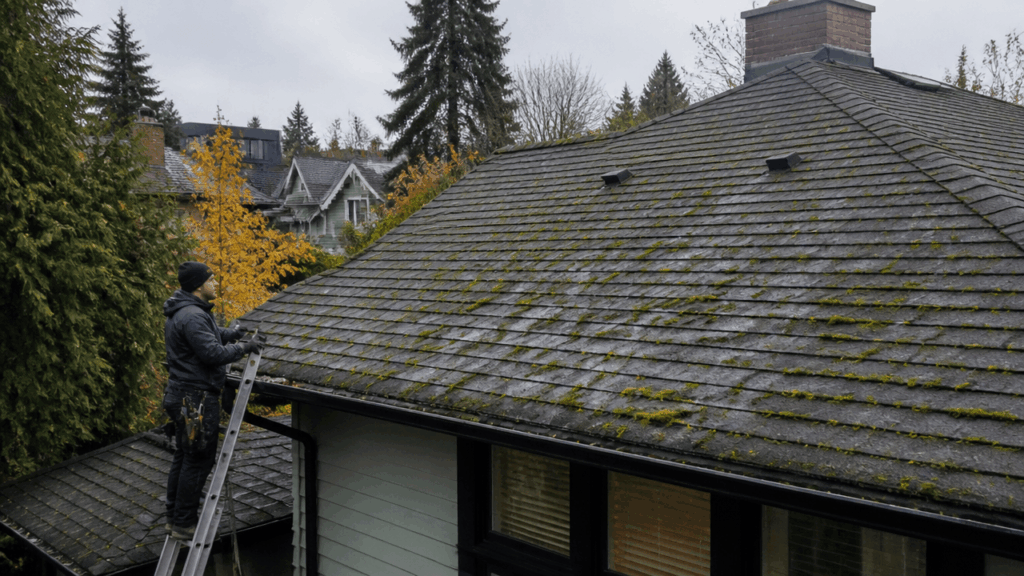
We often see leaks show up around flashing, shingles, vents, and gutters when winter weather hits hard. If the roof is already stressed by age or previous damage, even one storm can create a new entry point for water. Our roof inspection services can help identify those problem areas before they turn into larger repairs.
Why Winter Leaks Keep Getting Worse
Winter leaks usually get worse because cold weather makes roofing materials less flexible. When materials contract, small gaps can open up and let water slip in during rain or melting conditions. That is why how to stop a roof leak in winter is really about finding the source, not just catching the drip inside.
Ice, standing water, and clogged drainage can also keep moisture on the roof longer than it should stay there. If water has nowhere to go, it can work its way under shingles and around weak seams. We also know that trapped moisture can spread quietly, so a leak may be bigger than it looks from inside the house.
The best fix starts with a careful check of the roof surface, attic, and nearby gutters. In many cases, the damage shows up far from where the water is actually entering. That is why we focus on the full path of the leak, from the outside entry point to the inside stain.
Step-by-Step Guide to Stop a Winter Roof Leak
🔍 Step 1: Find the Leak Source
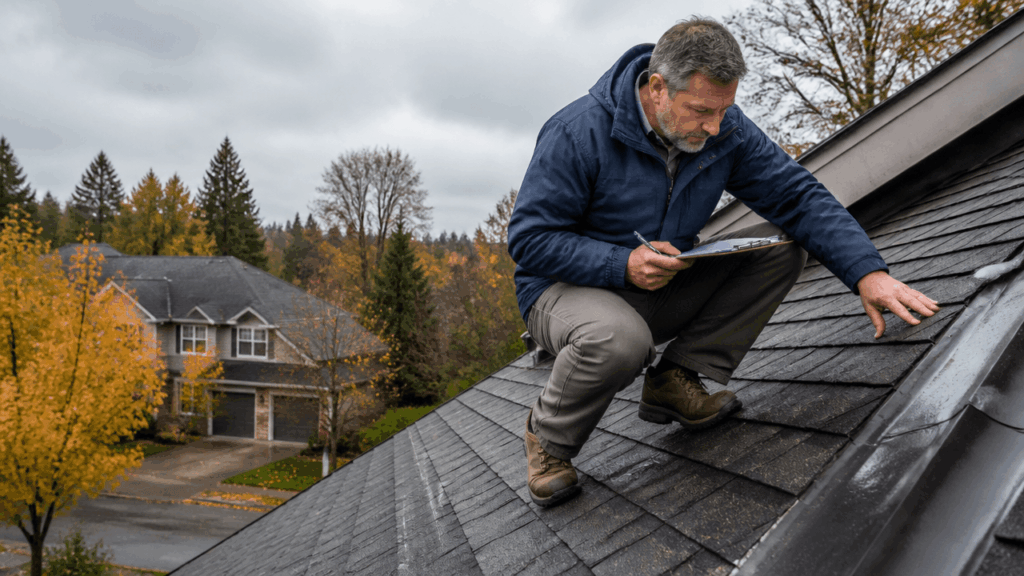
Start by looking for stains, drips, or damp spots inside the home, then check the attic if it is safe to do so. Water often travels before it shows itself, so the spot on the ceiling may not be the true entry point.
🪣 Step 2: Catch the Water
Place a bucket or container under the drip to keep water from spreading across floors and furniture. This does not fix the leak, but it helps reduce immediate damage while you work on the roof problem.
🧤 Step 3: Check the Attic for Moisture
Look for wet insulation, dark wood, or active dripping in the attic. These clues can help narrow down the location of the roof opening and show whether the leak is active during rain or snow melt.
🔦 Step 4: Inspect Flashing and Roof Edges
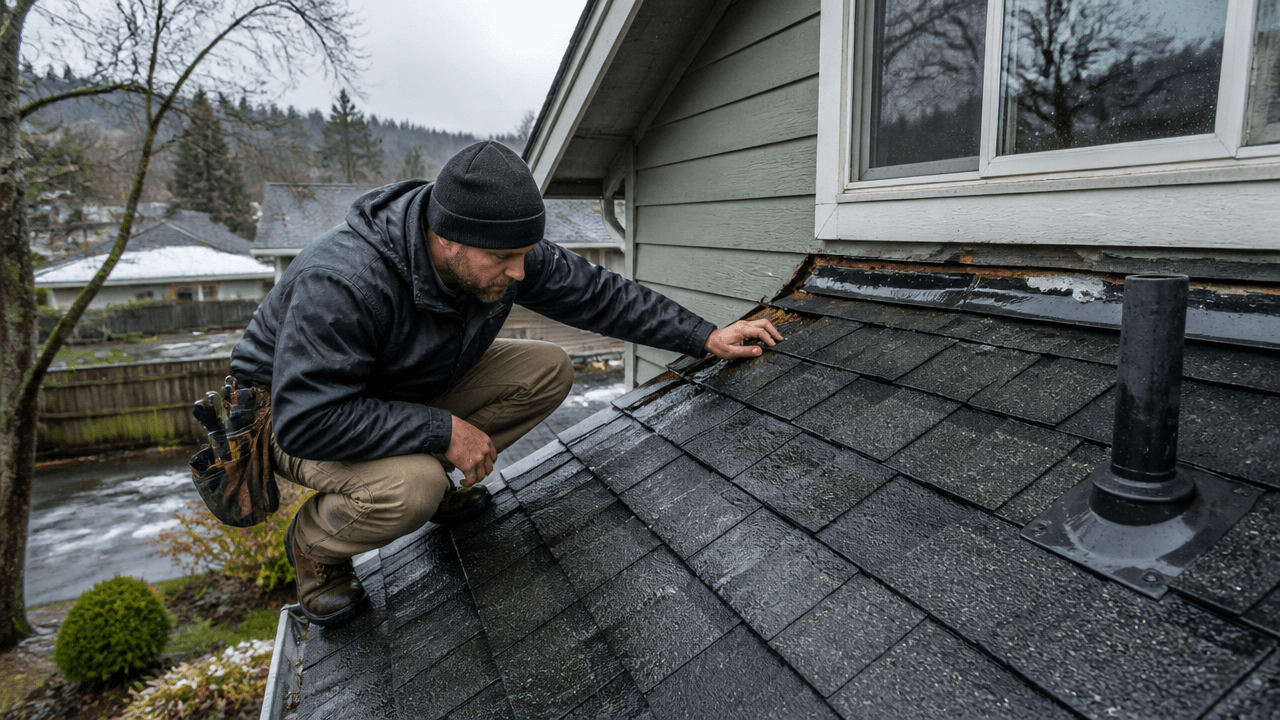
Pay close attention to flashing around chimneys, vents, skylights, and roof joints. These areas are common leak points because they are where different materials meet and can separate over time.
🧹 Step 5: Clear Gutters and Downspouts
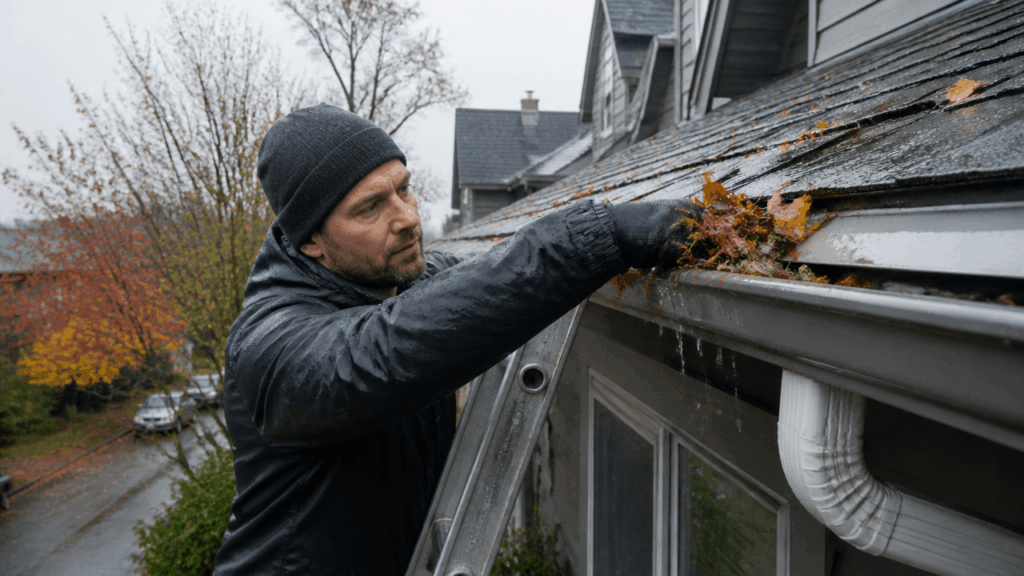
Remove leaves, pine needles, and debris so water can drain away properly. When gutters clog, water can back up under the roof edge and increase the chance of a leak.
🧊 Step 6: Remove Heavy Snow or Ice Safely
If snow or ice is building up, reduce the load carefully from a safe position. Meltwater can refreeze and force moisture under shingles, which makes winter leaks harder to control.
🔧 Step 7: Seal Small Visible Gaps
If you see a small opening and conditions allow for a safe temporary fix, use the right roofing patch materials until a full repair can be made. Temporary sealing can slow the leak, but it should never replace a proper repair.
📞 Step 8: Arrange a Roof Repair Visit
A winter leak often needs a trained eye to confirm the source and repair it correctly. A full repair helps make sure the problem does not return during the next storm.
Common Mistakes That Make Winter Leaks Worse
Many DIY fixes fail because people rush into repairs before finding the true leak source. Winter weather makes roof work harder, so a small mistake can lead to more water getting inside. The best way to avoid bigger damage is to stay careful and work through each step in order.
- ⚠️ Mistake 1: Fixing the Stain Instead of the Source
This happens when people see a ceiling spot and assume the leak is directly above it. Water can travel along wood and insulation, so the visible stain is often not the entry point. To prevent this, trace the moisture back through the attic and roof edges before sealing anything. - ⚠️ Mistake 2: Ignoring Flashing Areas
Flashing around vents, chimneys, and skylights is easy to overlook because it looks small compared with the rest of the roof. These spots are common leak points, especially after cold weather causes movement. Check them closely and look for lifted edges, cracks, or gaps before moving on. - ⚠️ Mistake 3: Leaving Gutters Clogged
This mistake usually happens because gutter cleaning feels less urgent than the leak itself. When gutters back up, water can pool and move where it should not, which can worsen roof damage. Clearing the drainage path early helps keep water flowing away from the home. - ⚠️ Mistake 4: Using the Wrong Temporary Seal
Some people grab the nearest patch product without checking if it is meant for roof use in cold weather. That can lead to a weak seal that fails fast in rain or low temperatures. Use a proper roofing repair material and make sure the surface is prepared before applying it. - ⚠️ Mistake 5: Working on the Roof in Unsafe Conditions
This often happens when homeowners try to finish the job quickly during bad weather. Wet, icy, or windy roofs can be dangerous, and a fall risk is not worth the shortcut. If conditions are poor, focus on indoor damage control first and wait for safer repair work.
Frequently Asked Questions
What is the fastest way to stop a roof leak in winter?
Yes, the fastest way is to contain the water indoors and identify the source as soon as possible. After that, a temporary roof patch may slow the leak until a proper repair can be made. The key is to act quickly before moisture spreads deeper into the home.
Can I repair a roof leak while it is cold outside?
Yes, you can make some temporary repairs in cold weather if conditions are safe. The surface must be dry enough for materials to hold, and some products work better than others in low temperatures. For lasting results, a full repair should be done with the right materials for winter conditions.
Why do roof leaks happen more often in winter?
Yes, roof leaks often become more noticeable in winter because cold weather affects roofing materials and drainage. Snow, ice, and heavy rain can push water into weak spots around flashing, shingles, and roof edges. That is why how to stop a roof leak in winter starts with checking the roof before the damage spreads.
Should I go into the attic if I see a ceiling leak?
Yes, checking the attic can help you find the source of the leak more quickly. Look for wet insulation, dripping water, or dark marks on wood, but only enter if it is safe to do so. The attic often shows signs that are easier to trace than the ceiling stain below.
When should I call a roofing professional for a winter leak?
Yes, you should call a roofing professional if the leak keeps coming back, spreads quickly, or happens near flashing or roof joints. Winter leaks can be tricky because water may move through several layers before showing up inside. A trained roofer can find the source and repair it before the issue gets worse.
Staying Ahead of Winter Roof Damage
A winter roof leak is never something to put off, especially when cold rain and wind can make a small issue grow fast. The best results come from finding the source early, limiting indoor damage, and handling the repair the right way. When we stay focused on the whole problem, we can stop a leak before it turns into a larger repair.
If your roof is showing signs of trouble in Magnolia, quick attention can protect your home and help you avoid repeat problems. We are here to help you stay ahead of winter damage with careful, reliable work. You can also follow us on social media for more updates from our team.